
Did you know small daily changes can save you hours each week? That’s the kind of impact the best life hacks have.
This article gives you a clear, friendly overview of the top life hacks. They are designed for busy adults in the United States. You’ll discover easy and simple life hacks to make daily routines smoother.
These practical tips lead to less clutter and better time management. You’ll enjoy faster meals, improved mental health, and lower expenses. Plus, you’ll adopt greener habits and make smarter travel choices.
These recommendations are based on productivity research, trusted tools, and reliable sources. They include the Pomodoro technique, Todoist, Mint, USDA produce storage guidance, and CDC activity guidelines.
Skim the sections that interest you, bookmark this page, and start with one or two hacks. Each entry will show you why it works and how to easily make it part of your routine.
Introduction to Life Hacks
Terms like “easy life hacks” and “simple life hacks” are common. They refer to smart tricks that simplify everyday tasks. This intro explains what life hacks are and why they’re beneficial for you.
What Are Life Hacks?
Life hacks are smart, easy ways to handle daily activities more quickly and efficiently. They can help mentally, like using time-blocking to stay focused. Or physically, by organizing your stuff to find things faster. They even work technologically, like setting up automated tasks.
Life hacks became popular through tech forums and blogs since the early 2000s. Websites like Lifehacker spread them from students to professionals. Now, you see these hacks on social media and in newsletters.
Why Use Life Hacks?
Life hacks save time and reduce stress. Small changes in habits can greatly enhance your concentration. Studies on habit changes confirm the advantages of adjusting your routine.
A good hack is easy, affordable, and shows clear benefits without much downside. Stick with a new hack for a couple of weeks to see its impact.
See the table below to choose the best hack for your situation.
| Type | Example | Benefit | When to Use |
|---|---|---|---|
| Behavioral | Time-blocking | Better focus and fewer interruptions | When you face frequent context switches |
| Physical | Tool organizers | Less time searching, clearer space | When clutter slows your work |
| Technological | Automation scripts | Repetitive tasks handled automatically | When tasks repeat daily |
| Quick tips | Two-minute rule | Faster decision and task flow | When small tasks pile up |
Organizing Your Space Made Easy
Having a neat space helps you focus better and make decisions easier. With smart organizing tips, you can get more time and peace. Begin with a small spot. Use methods that work everywhere, from your home to your office.
Decluttering Tips
Sort things with the 4-box method: keep, donate, recycle, trash. Tackle one shelf or drawer at a time to not get overwhelmed.
The 20/20 rule makes choosing easier: if it’s under $20 and unused in 20 months, think about giving it up. Daily 10-minute clean-ups stop clutter from piling up again.
Give items in good shape to Goodwill or The Salvation Army. For paper, follow your town’s rules for recycling. To cut down on paper, scan documents using Adobe Scan or Microsoft Office Lens. Then, save them online with Google Drive or Dropbox.
Color Coding Your Files
Choose a simple color system so it’s easy to know what each color means. You might use blue for money matters, green for health, red for urgent stuff, and yellow for general info.
Use this system for paper folders and digital labels in Gmail and Google Drive. Keep a one-page guide of colors in your filing cabinet or a shared online folder. This keeps the system easy to follow.
Make finding things quicker with clear bins, hanging organizers, and dividers. Use a Brother P-touch for clear labels. To keep everything orderly, do a 15-minute check every month and a big clean-out once a year.
| Task | Tool | Frequency | Benefit |
|---|---|---|---|
| Initial sort | 4-box method | One-time per area | Quick decisions, less clutter |
| Quick tidy | 10-minute daily sessions | Daily | Prevents build-up |
| Paper reduction | Adobe Scan / Office Lens | As needed | Less physical storage |
| Labeling | Brother P-touch | When setting up | Faster retrieval |
| Color system | Colored folders & digital tags | Ongoing | Consistent filing |
| Maintenance | Monthly review | Monthly | Long-term order |
Time Management Tricks
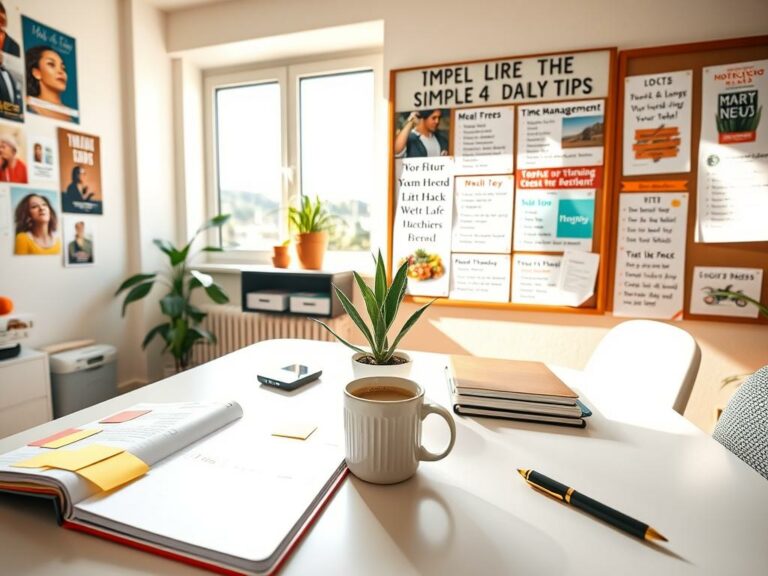
Managing your time well can turn busy days into steady progress. Learn a few key methods to lower stress and accomplish more. These tricks are easy to understand and use for work, study, or home projects.
The Pomodoro technique divides work into short, focused periods followed by breaks. Work for 25 minutes, then rest for 5 minutes. After doing this four times, take a longer break of 15–30 minutes. This method helps you focus better, fight off procrastination, and avoid burnout.
Apps like Focus To-Do, Forest, or TomatoTimer can help you track time. For more intense work, try working for 50 minutes, then breaking for 10. Write down interruptions instead of getting sidetracked, and return to your work after.
The Eisenhower Matrix helps sort tasks by urgency and importance. It has four categories: do now, schedule later, delegate, and eliminate. This way, you can stay organized and prioritize tasks.
For example, tax filing is both urgent and important; long-term project planning is important but not urgent. Tools like Todoist or Trello can mimic the Eisenhower Matrix, helping you set priorities automatically.
Use both methods for greater impact. Plan your day with the matrix for 15 minutes each morning. Then, focus on top tasks using three to four Pomodoro periods. This strategy mixes quick planning with focused work.
Quick tips: batch similar tasks, have theme days, and block time on Google Calendar. Turning small practices into habits can make these efficiency tips a natural part of your day.
Kitchen Hacks for Efficiency
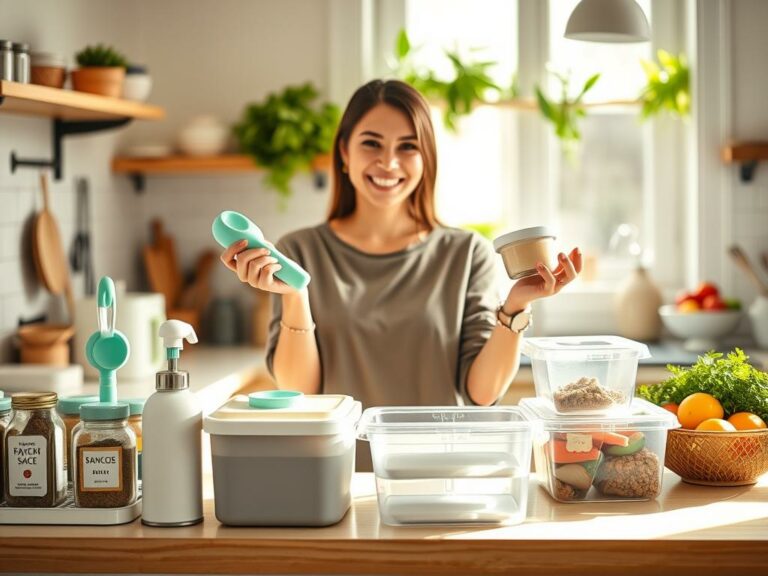
Reduce kitchen stress with simple tips. They save time, cut down on dishes, and help food stay fresh. These tips are perfect for busy days. They also lower waste and make cooking easier. Opt for a Dutch oven or a nonstick skillet for quicker prep and cleaning.
Use pantry shortcuts for easier evenings. Rotisserie chicken, canned beans, and frozen veggies cut down on prep time. Serious Eats offers trusted techniques. Allrecipes has great recipes for simple meals and big batch cooking.
One-Pot Meal Ideas
Make skillet chicken and rice in one pan in about 35 minutes. Chili is easy to clean up after and can be frozen. Use frozen veggies to whip up pasta primavera in under 30 minutes. Roast veggies and salmon on a sheet pan in about 25 minutes with a preheated oven.
Freeze meals in Rubbermaid containers or Stasher bags for easy reheating later. Cook with a heavy Dutch oven for consistent heat. Or use a nonstick skillet for a faster cleanup. These strategies save time and keep your kitchen clean.
Keeping Produce Fresh Longer
Store greens washed and dried in airtight containers with paper towel layers. Keep berries in a single layer on paper towels to reduce molding. Leave tomatoes out for flavor and keep apples separate to avoid spoilage.
Check USDA and local guidelines for how long to store food. Reheat leftovers to 165°F to ensure they’re safe. Defrost food in the fridge, not at room temp. These tips help your produce last longer and reduce waste.
Combine these tips with your daily routine for big improvements. Kitchen shortcuts and one-pot meals save you time. They let you enjoy more while keeping your food fresh and plans on track.
Maximizing Productivity with Technology
Technology can make a busy day better by sending small tasks to the right apps. The best mix of apps, tools, and habits reduces routine struggles. This gives you more time for important things.
Essential apps help you stay organized and think clearly. Use Todoist or Microsoft To Do for daily tasks and what’s top priority. Schedule your day in Google Calendar with meetings and time to focus.
Keep notes, templates, and projects in Notion or Evernote for fast access. Put important files in Google Drive or Dropbox to avoid losing them. With Pocket, save articles for later without a tab mess.
Switching devices smoothly is key. Use Google Authenticator or Authy for safer accounts with two-factor authentication. Always back up important work to not lose everything if your device is lost.
Begin automating with small steps. Tools like IFTTT and Zapier make apps work together, cutting down repeat tasks. For instance, move important Gmails to Trello, or save receipts in Google Drive automatically. Also, auto-backup photos and set reminders for bills.
Smart home devices offer convenience without using hands. Commands to Alexa or Google Assistant can give you morning updates, help with cooking timers, or add items to your list.
Managing notifications boosts productivity. Turn on Do Not Disturb, silence unimportant alerts, and check messages at specific times. This reduces distraction, allowing better focus on important work.
This week, try some productivity tips: merge your tasks into one app, create a Zap or IFTTT recipe to save time, and set three rules for fewer interruptions. Even small adjustments can lead to big gains in time saved.
Money-Saving Life Hacks
Small savings can make a big difference. Use tips and digital tools to save your money. These tips are easy to use this week.
Budgeting Apps You Should Try
Mint helps with budgeting and watching your credit. It sorts your spending and shows what you’re worth all in one place.
YNAB (You Need A Budget) is all about giving every dollar a job. It’s great for goal-setting and money management.
Personal Capital is best for looking at your investments. It helps you watch your wealth and plan for the future.
Link your bank and credit cards safely. Spend 15 minutes a week reviewing your money. Get alerts when you spend too much.
When shopping online, use tools like Honey and CamelCamelCamel. Buy gadgets from Amazon Renewed. Save more with Rakuten and Ibotta cashback.
DIY Home Repairs
Fixing small issues can save you big money. Start with easy repairs that don’t need many tools.
Unclog drains with simple tools or a homemade mix. Fix leaking faucets to save water. Use a putty kit for small wall holes.
Change your HVAC filters to cut energy costs. Have a basic toolkit ready for minor fixes.
Look up Home Depot, Family Handyman, and This Old House for help. They show you how to tackle easy repairs with videos and lists.
Some jobs should be left to experts, like electrical work. Stick to simple fixes yourself. Call a professional for anything risky.
Health and Wellness Innovations
Adding small, steady changes to your day can boost energy and focus. Use simple health and wellness hacks for better choices. These tips are perfect for busy schedules and help form lasting habits.
Easy Meal Prep Ideas
Pick a theme for each week like Mexican bowls, Mediterranean plates, or protein and veggies. Cook things like chicken, quinoa, and veggies on Sunday to save time.
Slow cookers or an Instant Pot can make meals easy. Store them in Glasslock or Pyrex for safety and quick reheating. Aim for lean protein, whole grains, and veggies for balance.
Reheat soups and stews on low to keep them tasty. Store dressings separately to keep salads crisp. These meal prep tips are great for saving time and making choices easier.
Simple Exercise Routines
Short workouts fit easily into a busy day. Try quick HIIT circuits with squats, push-ups, and planks. Add stretches after to feel better and move easier.
For walking, mix fast and moderate paces for 20–30 minutes. The CDC recommends 150 minutes of moderate or 75 minutes of vigorous activity weekly.
Apps like 7 Minute Workout, Nike Training Club, and Calm offer great guided exercises. They’re perfect for fitting into a lunch break or morning routine.
Quick Tips for Sleep, Hydration, and Mood
Keep a regular sleep schedule and your room cool and dark for better rest. Always carry a refillable water bottle and use apps like WaterMinder for hydration reminders.
Movement and good nutrition can lift your mood. Opt for small, steady changes over extremes. Focus on one habit at a time to gain momentum.
| Focus Area | Quick Action | Tools or Gear | Why It Works |
|---|---|---|---|
| Meal Prep | Batch-cook staples once weekly | Glasslock, Pyrex, Instant Pot | Reduces cooking time and decision load |
| Short Workouts | 10–20 minute HIIT or mobility | Bodyweight only, Nike Training Club | Fits busy schedules and boosts energy |
| Walking | Interval walking 20–30 minutes | Good shoes, smartphone timer | Improves cardio with low barrier |
| Hydration | Set hourly water reminders | WaterMinder app, refillable bottle | Keeps energy levels steady |
| Sleep | Consistent bed and wake times | Blackout curtains, sleep mask | Enhances recovery and focus |
Smart Travel Tips
Travel smarter with some easy tricks. Pack light, keep your valuables safe, and find cheap fares. These tips let you navigate airports and hotels smoothly and confidently.
Packing Effectively
Begin by choosing a packing list template for your trip. Roll your clothes to save space and avoid wrinkles. Packing cubes, like those from eBags or Eagle Creek, help organize your outfits.
Opt for clothes that work well together and can be layered. Bring a light daypack and small toiletries that meet TSA rules. Keep your chargers and cables in a clear bag for easy access.
Store digital copies of your important documents in Google Drive. Wear your heaviest shoes and jacket when you travel to avoid heavy luggage. Use a secret pouch for your passport and money.
Decide between carry-on or checked bags by weighing them at home. If checking a bag, pack a spare outfit and essentials in your carry-on. This way, you’re set during delays or if your luggage gets lost.
Finding the Best Flight Deals
Use tools like Google Flights and Skyscanner to compare prices and set alerts. Searching with flexible dates can find cheaper flights. Look at different airports for more flight options.
Search in private mode to prevent price hikes based on your browsing history. Flying on flexible dates often leads to the best deals. Stay alert for price drops instead of waiting for the perfect day to book.
Sign up for frequent flyer programs and look out for special deals. Smart use of travel credit cards can offer benefits like priority boarding. Websites like The Points Guy share the latest deals and tips.
Check the CDC’s vaccination advice and the State Department’s travel warnings before you leave. Carry a small first-aid kit and all necessary medicines. These precautions help you stay safe and healthy on your trip.
| Tip Area | Action | Benefit |
|---|---|---|
| Packing method | Roll clothes; use packing cubes | More space; easier outfit access |
| Wardrobe | Travel capsule; layerable pieces | Fewer items; versatile looks |
| Carry-on strategy | Pack essentials in carry-on | Protection against lost luggage |
| Flight search | Use alerts; flexible dates; check airports | Lower prices; more options |
| Booking perks | Join loyalty programs; use travel cards | Free bags; priority boarding; miles |
| Safety | Check CDC and State Department | Stay informed on health and advisories |
Eco-Friendly Life Hacks
Small changes can both save money and reduce your environmental footprint. These eco-friendly life hacks are easy to incorporate into daily life. They help you live smarter, saving money and fostering sustainable habits.
Sustainable Living Practices
Switch to LED lights to cut energy costs and enjoy longer-lasting bulbs. Put in a programmable thermostat like Nest or ecobee to save on heating and cooling. When possible, choose appliances with the Energy Star label; they’re more efficient and may offer rebates.
Use reusable items like water bottles, stainless steel straws, and beeswax food wraps. Buy local, seasonal foods to support nearby farmers and cut down on food miles. These changes are investments that benefit you over time.
Reducing Waste at Home
Start composting at home or with a city compost program. Use a weekly menu and FIFO (First In, First Out) fridge strategy to cut back on food waste. Repair clothes and small appliances instead of buying new ones.
Recycle properly to avoid contamination. Share extra food with neighbors through apps like Olio. Meet others interested in sustainability at local farmer’s markets. These everyday tips help reduce what goes into landfills.
| Action | What to Do | Impact |
|---|---|---|
| Lighting | Replace incandescent bulbs with LEDs | Lower energy use and bills; bulbs last longer |
| Thermostat | Install Nest or ecobee; set schedules | Reduce heating/cooling costs by up to 10-20% |
| Single-Use Reduction | Use reusable bottles, beeswax wraps | Cut plastic waste and save money over time |
| Food Waste | Meal plan, FIFO fridge, composting | Less waste, fewer grocery trips, compost for gardens |
| Repair Mindset | Mend clothing, fix appliances | Extend product life and reduce purchases |
| Community | Join local groups; use sharing apps | Share surplus, learn green hacks, strengthen networks |
These easy life hacks offer financial benefits and help the planet. They cut down on waste and encourage habits for a sustainable lifestyle.
Boosting Your Mental Health
Simple habits can significantly improve how you feel daily. Incorporate mental health tricks into quick breaks or your morning routine. These tricks can build resilience, enhance focus, and improve your mood quickly.

Mindfulness Techniques
Start with short, guided sessions to find your center. Practice box breathing for five minutes to calm your heart rate and clear your mind. A brief body scan can relax your body from head to toe. Focusing on one task at a time for a bit can lessen mistakes and increase your attention.
Apps like Headspace, Calm, or Insight Timer offer guided meditations to incorporate into your routine. Studies reveal mindfulness techniques reduce stress and improve focus, useful for both work and home.
Maintaining a Gratitude Journal
Every night, write down three things you’re thankful for, detailing each one. This practice turns your focus from worries to gratefulness, cutting down on negative thoughts.
Explore other methods like writing gratitude letters, snapping photos, or making voice memos of thanks. Research in positive psychology shows keeping a gratitude journal enhances mood and increases overall happiness.
Keep your mental health in check with daily practices lasting 2–10 minutes and a weekly mood review. If stress or sadness continues, it might be time to seek help from a professional or organizations like the National Alliance on Mental Illness.
At work, take quick breaks, create clear work-life boundaries, and block out time for focused tasks. These steps work as mental efficiency tricks, improving wellbeing at work.
| Practice | Time | Benefit | Tool Suggestion |
|---|---|---|---|
| Box Breathing | 5 minutes | Reduces acute stress, calms breathing | Headspace |
| Body Scan | 5–10 minutes | Releases muscle tension, increases awareness | Calm |
| Single-Task Block | 10–25 minutes | Improves focus, reduces errors | Calendar blocks |
| Gratitude Journal | 3 minutes each evening | Enhances mood, reduces rumination | Notebook or voice memo |
| Weekly Mood Check | 10–15 minutes | Tracks trends, guides adjustments | Journal or app |
Conclusion: Incorporating Life Hacks into Daily Life
We talked about ways to make life easier in various areas. Small changes can make a big difference over time. By adding life hacks to your daily routines, you’ll make fewer decisions, have more time, and stress less.
Making Life Hacks Work for You
Begin with just 1–3 life hacks that seem easy. Try them for two weeks. See how much time or money you save, or if you feel better.
Track your progress with tools like habit trackers or budget apps. Adjust each hack to better fit into your life. This way, you don’t have to overhaul your whole life at once.
Encouraging Others to Try Them
Show others how life hacks can help by sharing a tip or showing it in action. Use positive vibes to spread the word, not nagging.
After trying these tips, keep this article handy, make a list of your favorites, and explore more from writers like Cal Newport and James Clear. The most useful life hacks are the ones that match your lifestyle. Small steps are easier to keep up than big changes.