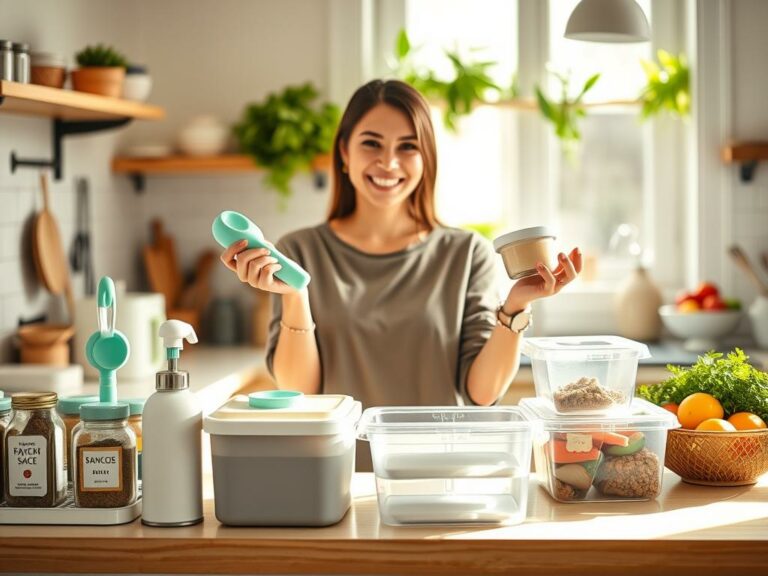

Every year, U.S. homes throw away enough items to fill a storage unit. These items could be turned into tools that save time and money.
Discover how things from your kitchen, closet, and garage can become life-saving hacks. You’ll find hacks that save money, cut down on waste, and make life easier.
Our guide covers easy, cheap ways to use vinegar, baking soda, glass jars, and old shirts. We share tips from sources like Good Housekeeping and Real Simple.
Looking to declutter, cook easier, update your décor, or solve tech issues? These home hacks offer smart tips you can use immediately. They provide quick improvements to make daily life smarter and less stressful.
Introduction to Everyday Life Hacks
You use everyday items in smart ways without realizing it. This section will show how little changes can smooth out daily tasks. You’ll get practical examples, tips on staying safe, and reasons these hacks work well.
What Are Life Hacks?
Life hacks are easy, clever methods or shortcuts. They make tasks quicker and easier. They turn common items into something new.
Try some examples: wrap a rubber band around a loose screw to grip it better, straighten a paperclip to reset gadgets, or measure ingredients in a mason jar while cooking. These tips value creativity more than special tools.
Look around your kitchen, garage, or closet. You might find clever ideas that save time and money. Often, great hacks start as tiny tests and then become everyday habits.
Benefits of Home Life Hacks
House hacks offer real benefits. They save you time by making tasks simpler. They save money because you reuse things rather than buying new ones. You also reduce waste by keeping clothes longer and using fewer disposable cleaners.
Enjoy less spoiled food with better storage, clothes that last longer with simple fixes, and less clutter by using versatile tools. These hacks can also make daily life less stressful by making routines more predictable.
Psychology shows why we love these hacks: easy steps lead to quick wins, we keep doing things that give visible results, and feeling resourceful boosts our confidence. Small changes, like reusing containers, can become big habits.
Always remember safety first. Don’t mix certain chemicals like bleach and vinegar. Be careful with anything hot and test new cleaning or dye methods on small spots first. Also, label reused chemical containers to prevent accidents.
Start with these unique tips. Try them one by one and see what fits your lifestyle. The best hacks are those that meet your needs and remain useful.
Organizing Your Space Efficiently
A tidy home offers peace and better functionality. You can start now with things you already have. Use simple, smart tips and creative ideas to find more space without spending extra money.
Decluttering with Household Items
Start by dividing things into four groups: keep, donate, recycle, and throw away. Use any boxes or baskets to sort them. This way, decluttering becomes quick and straightforward.
Make use of shoeboxes and cereal boxes for drawer organizers. First, measure your drawer, then mark and cut the box to fit. Put them in drawers to keep things neat. Use tape or labels to mark each section.
Store small items like jewelry or office supplies in ice cube trays. Muffin tins hold craft supplies or small tools well. Turn boxes onto their sides on shelves for storing scarves or papers neatly.
For items you wish to donate, think about Goodwill, Salvation Army, or local shelters. Follow your town’s rules for recycling clothes and paper to help the environment.
Creative Storage Solutions
Use your wall space with shelves, door organizers, and pegboards. Hang things like keys and hats with hooks. Use tension rods under sinks for spray bottles, which makes more room.
Binder clips can hold scarves or gloves on a rod. See-through containers make finding things easier. Try using bins under the bed or vacuum-seal bags for clothes you don’t need right now.
Tag bins with tape or printable labels. Change out seasonal clothes every few months to keep closets neat. Follow a one-in, one-out rule to avoid getting cluttered again.
Regular tidying is easier than big clean-ups. Spend 15 minutes each month on a quick cleanup. This keeps your home organized and makes these hacks more effective.
- Step-by-step divider build: measure, cut, fit, label.
- Donation route: sort, bag, schedule drop-off.
- Daily habit: five-minute desk or entryway sweep.
| Problem | Household Item | Quick Fix |
|---|---|---|
| Jumbled drawers | Shoeboxes, cereal boxes | Cut to fit, insert dividers, label sections |
| Small loose items | Ice cube trays, muffin tins | Sort by type, store in a drawer or shelf |
| Under-sink mess | Tension rod, spray bottles | Hang bottles on rod to free shelf space |
| Seasonal clutter | Underbed bins, vacuum-seal bags | Rotate items and label for quick access |
Kitchen Hacks for Everyday Cooking
Make small changes in the kitchen to save time and cut down on waste. Focus on smart storage, quick cleaning, and prep tricks every day. Try some unique tips and creative ideas to make meals simpler and your kitchen more efficient.
Repurposing Containers for Food Storage
Use clean glass jars, like mason or pasta sauce jars, for storing dry goods, overnight oats, and portioned meals. Label them with a permanent marker or masking tape for content and dates. Seal them tight with silicone lids or plastic wrap to keep food fresh.
Be sure single-use plastics are clean before reusing. Don’t reheat in thin plastics and choose BPA-free or glass containers for safety. For leftovers, use zip-top bags or freezer-safe containers, remove air, and date them to avoid freezer burn.
Quick Cleaning Tips for the Kitchen
Sprinkle baking soda on stovetop grime and scrub with a damp sponge. Clean most counters with a vinegar-water spray, but not on marble or granite.
Loosen dried food in the microwave with water and lemon slices for 3-5 minutes, then wipe. Clean your coffee maker with white vinegar, followed by two water cycles to rinse.
Use dish soap and hot water to degrease pans, soaking if necessary. Deodorize your garbage disposal with baking soda and vinegar, then flush with hot water. Use charcoal or coffee grounds in an open container to absorb bad smells.
Freeze chopped herbs in olive oil in ice cube trays for flavor cubes. Quickly slice cherry tomatoes by sandwiching them between two plates and slicing across. These smart solutions save time for busy cooks. Use them to keep your kitchen clean, quick, and organized.
These smart solutions and creative ideas can really help busy cooks. They use things you already have to make your kitchen cleaner, faster, and more orderly.
Cleaning Tips to Simplify Housework
Make cleaning easy with basic ingredients and reliable tools. These home hacks transform long chores into quick tasks. Save time, cut costs, and reduce plastic waste with smart solutions.
Understanding the science behind DIY cleaners builds trust. Vinegar, with its acetic acid, fights mineral deposits and grease. Baking soda works as a soft scrub and odor neutralizer. These safe and effective ingredients offer surprising benefits.
Using Vinegar and Baking Soda
Refresh your drain with this trick: Mix 1/2 cup of baking soda and 1 cup white vinegar into the drain. Wait for 15 minutes, then rinse with hot water. This removes grime and bad smells.
For cleaning ovens, create a paste with baking soda and water. Apply it to greasy areas, wait, and then clean it off. This method avoids harmful chemicals.
Create a glass cleaner by blending white vinegar and water equally. Spray it on windows and use a microfiber cloth for a clean finish. Do not use vinegar on delicate stone surfaces.
Be careful with chemical mixtures. Never mix vinegar with bleach or hydrogen peroxide. Such combinations can create harmful gases or irritate. Always use gloves for heavy cleaning and keep spaces well-ventilated.
Multi-Purpose Cleaning Agents
Castile soap mixed with water is great for counters and floors. Rubbing alcohol cleans small areas and removes glue. Hydrogen peroxide is a safe alternative to bleach for kitchen surfaces.
Microfiber cloths work well for dusting and avoiding streaks. Old toothbrushes get into small spaces easily. A squeegee helps keep shower doors clean. Steaming with an iron or steamer can remove grime without chemicals from tiles and curtains.
These tips help minimize your need for multiple cleaners. They reduce contact with strong chemicals and help save money. Your home stays safe and clean with fewer products.
Try some new tricks this week and see the difference. Even small changes can make cleaning easier. You’ll have more time, a healthier home, and smarter ways to clean.
DIY Beauty Hacks
Use simple things from your kitchen for beauty fixes. They save money and are easy to do in a rush. Try these gentle, cost-effective remedies, but check on a small part of your skin first.
Home Remedies for Common Skin Issues
Making a paste from oatmeal can calm itchy or sunburned skin. Just blend oats into a powder, mix with water, and apply. Leave it on for 10–15 minutes, then wash off. It’s a great trick for soothing skin.
Raw honey can help with pimples because it fights bacteria mildly. Just put a tiny bit on the pimple, wait, then rinse. If you have sensitive skin, test it first and skip if you’re allergic to bees.
Aloe vera gel is good for minor burns and dry skin. You can use gel from the store or straight from the plant. For really dry areas, apply petroleum jelly after moisturizing to lock in the moisture.
Always do a patch test when trying something new. Put a little behind your ear or on your wrist, and wait a day. If skin problems like acne or eczema don’t get better, see a dermatologist.
Hair Care with Kitchen Staples
An apple cider vinegar rinse can help clean your hair and make it shiny. Mix a bit with water, use it after shampooing, then do a quick rinse. It’s a surprising way to perk up your hair.
For dry hair, try coconut or olive oil as a mask before washing. Warm it up, apply to your hair, wait, then wash out. It’s an easy trick for softer hair.
Eggs or mayonnaise can make your hair stronger. Coat your hair with it, wait, then wash off with cold water. Keep mixtures with eggs in the fridge and use quickly.
At night, protect your hair with a scarf. To handle flyaways, lightly use hairspray on a toothbrush. A paddle brush can distribute hair treatments evenly when your hair’s damp.
Avoid too much heat on your hair and always use protectant spray if heating. These steps will keep your hair healthy longer.
Remember food safety with homemade hair treatments. Don’t keep egg-based masks on for too long. Store mixes in the fridge and throw them away after a bit. These habits make DIY beauty both safe and effective.
Creative Uses for Old Clothes
Old shirts and jeans can find new purpose, saving you money and reducing waste. Practical and creative ideas can transform your daily life. Try these unique tips to revamp your closet and home.
Transforming T-Shirts into Tote Bags
Cut the sleeves off a cotton T-shirt to make a tote without sewing. Make a wide opening by cutting a straight neckline. To form the bottom, cut strips at the hem, then tie them together in knots.
For a sturdier bag, you might want to use fabric glue or a stitch across the bottom. Choose a thick cotton shirt for heavy groceries, reinforcing handles with stitches. Remember to trim any loose threads and start with light items to test the bag.
This new tote works great for groceries or library visits, and as a unique gift bag. It’s a smart way to use fewer single-use bags and show your style on runs.
Upcycling Methods for Denim
Denim is great for many projects. To make shorts, cut jeans, fold a cuff, and distress the edges for style. Make a wall organizer by attaching pockets to a board or canvas.
Create quilts or pillow covers by sewing together denim pieces. Use a strong backing and a denim needle. Reinforce any areas that will get a lot of wear with extra stitches.
Consider selling your best creations online or at craft fairs. You can also donate denim to recycling programs by Levi’s or local centers. These creative ideas help reduce waste and make lasting items.
| Project | Materials | Difficulty | Best Use |
|---|---|---|---|
| No-sew T-shirt Tote | Old cotton T-shirt, scissors | Easy | Groceries, library, everyday bag |
| Reinforced T-shirt Tote | Sturdy cotton shirt, needle, strong thread or fabric glue | Moderate | Heavier loads, market runs |
| Denim Shorts | Old jeans, scissors, optional sandpaper | Easy | Casual wear, warm months |
| Denim Pocket Organizer | Jeans pockets, board or canvas, thread | Moderate | Entryway storage, craft room |
| Quilt / Patchwork Pillow | Multiple denim panels, backing fabric, sewing machine | Advanced | Home decor, durable bedding |
Here are some quick tips: wash your upcycled items gently and check seams before frequent use. These handy home tips offer great ways to save and be creative with practical projects.
Enhancing Home Décor with Simple Tricks
Make any room better without much cost. Use natural things and affordable displays for a new look. These ideas are easy for anyone and mix well with simple home tips.
Using Nature for Beautiful Arrangements
Get branches, pinecones, or herbs from outside. Use tall branches in a thin vase for a cool look. Place pinecones or acorns in a dish for a festive touch.
Put fresh-cut herbs or wildflowers in mason jars for simple arrangements. Change their water and cut their stems every two days. Add a pinch of sugar and a little bleach to keep them fresh longer.
Change your decorations with the seasons. Add lights or candles for a cozy feel. These smart tips save money and make your space exciting.
Fun Ways to Display Family Photos
Hang a string across a room and use clothespins for photos. This lets you change pictures easily. Set up clipboards in a grid for art and photos you can swap.
Remake an old frame for a special photo group. Stick to one color scheme for a unified look. Use matching borders to balance your photo display.
Keep digital copies of important photos. Store the real ones safely. Always gather items like wood or flowers responsibly.
Styling and Practical Tips
Think about layout and harmony. Combine different textures and sizes for interest. Put taller items in the back and shorter ones in front. Use wall-safe strips to avoid damage.
| Project | Materials | Time | Budget |
|---|---|---|---|
| Branch Vase | Tall vase, trimmed branches | 15 minutes | $5–$25 |
| Seasonal Bowl | Wood bowl, pinecones, acorns, candles | 10 minutes | $3–$15 |
| Mason Jar Bouquets | Mason jars, herbs or wildflowers, ribbon | 10 minutes | $0–$10 |
| Clothespin Photo String | Twine, clothespins, photos | 20 minutes | $2–$8 |
| Clipboard Gallery | Clipboards, nails or Command strips, prints | 30 minutes | $10–$40 |
| Upcycled Frame Collage | Old frame, paint, plywood backing, photos | 45 minutes | $5–$30 |
These creative tips and smart tricks inspire fun changes. Try a new project every weekend to make your home unique. Even small tweaks and clever ideas can turn ordinary items into lovely decor.
Tech and Gadget Hacks for Daily Use
Small changes can really smarten up your tech feel. These tips can help save time and protect your gadgets at home. They also offer smart ways to keep cables neat and let you use your phone without holding it.

Phone Stand from Everyday Supplies
You can make a simple phone stand using things you already have. Just fold a business card or credit card into a triangle, and use it to hold your phone for videos or calls. An empty glasses case or a piece of cardboard tube can also make a great stand for watching hands-free.
To build a stronger stand, use binder clips. Put two clips together with their arms up and bend one arm to support the phone. Putting a piece of felt where your phone touches the stand will prevent scratches.
Remember to think about how heavy your device is. These homemade stands are fine for phones and light tablets. If you have a heavier tablet, it’s better to get a stand from brands like Belkin or Anker to avoid damage.
Organizing Cables with Household Items
You can easily fix messy cables with items you have at home. Attach binder clips to your desk and slide cables through to keep them in place. Organize extra cables in tubes from toilet paper rolls and mark them so you know what they are for.
Bundle cables using twist ties, bread ties, or Velcro. Then, store them in clear bags or a shoe organizer for easy grabbing. This keeps your cables in order and prevents them from getting tangled.
Mark both sides of essential cables so you always know what they connect to. Keep power strips from getting too full and place cables away from hot items to avoid fires. For a tidy charging area, pick one spot, use one power strip, and keep cables short.
Quick Repairs and Device Care
You can fix common cable issues with things around your house. Use clear nail polish on frayed cable ends to temporarily hold them together. If a charging cable is bending too much, put a spring from a pen near the end to protect it.
When using homemade stands, protect your device’s points of contact with soft materials. Always use a protective case on your phone with DIY holders. These easy hacks can make your gadgets last longer and keep your workspace neat.
Try these surprising hacks and simple solutions for better charging, watching, and organizing cables. Even small adjustments can lead to a more organized and efficient tech space.
Conclusion: The Value of Resourcefulness at Home
Everyday items around our homes can be turned into handy tools. With jars for organizing, and quick kitchen tricks, life gets easier. Using vinegar for eco-friendly cleaning or repurposing clothes adds value. These smart ideas save time, cut costs, and simplify routines.
Test some creative methods this week and track your progress. You could use a jar for storage or make a phone stand. Then, share your unique finds online to inspire friends and get their thoughts.
Being resourceful helps you cut down on waste and boosts your confidence. It teaches you to solve problems creatively instead of buying new stuff. But always be careful – don’t mix harmful cleaners, wear protective gloves, and let pros handle big electrical jobs.
Want more in-depth guides? Look at Good Housekeeping, Real Simple, Family Handyman, or check the manuals. Consider joining a local DIY group to learn more. Keep looking for home hacks, embrace new ideas, and discover cool tricks that boost your home’s efficiency and creativity.