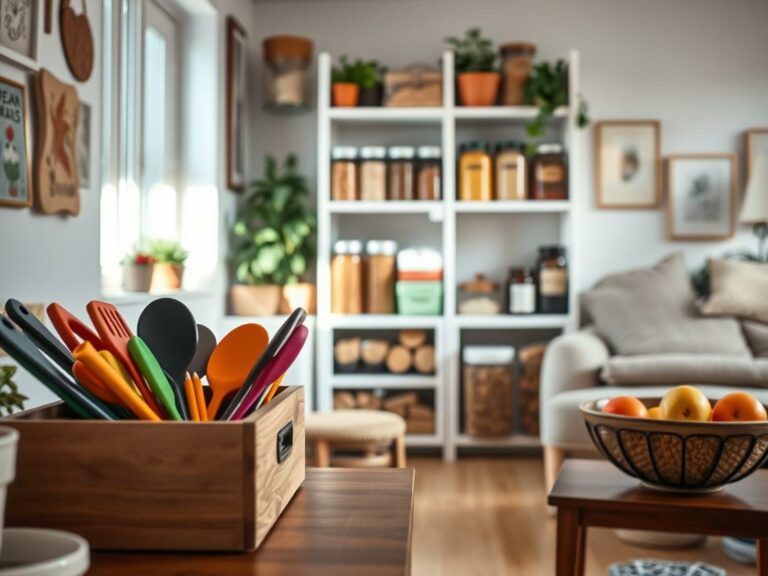

About 70% of U.S. families find that small daily changes free up over two hours weekly. That’s precious time you can enjoy with loved ones or hobbies, instead of doing chores.
This guide shares home hacks tried in real homes to simplify your life. You’ll discover hacks that use everyday items like mason jars and smart plugs. These hacks help you organize, reduce clutter, and get more from your space.
Begin with organizing, then improve your kitchen and cleaning routines. Next, adopt time-saving habits for laundry and the bathroom. Move on to simple repairs, smart technology, eco-friendly alternatives, and affordable decor. Every tip is easy, cheap, and ready to use right now.
These home hacks are all about easing stress, saving time, and reducing costs. Just small tweaks can have a huge impact. Keep reading to find out how.
Organizing Your Space Efficiently
Begin with a simple plan and small goals. Focus on one busy area at a time to prevent feeling overwhelmed and to see progress clearly. Use brief 20–30 minute periods to keep your attention sharp. These practical tips maintain your momentum and foster durable habits.
Declutter with the Four-Box Method
Get four boxes and label them: Keep, Donate/Sell, Trash, Relocate. Go through each room, placing items into the appropriate box. Start with the areas you use every day, like the kitchen counter or living room shelf.
Use a timer for 20–30 minutes at a time to avoid getting too tired to make decisions. For each item, ask: Is it used often? Is it special to you? Is it something you have more than one of? If the answer is no, you likely don’t need to keep it.
Give away things you can to Goodwill, The Salvation Army, or your local Habitat for Humanity ReStore. Recycle or take electronics to Best Buy or a recycling center for proper disposal.
Use Vertical Space for Storage
Think vertically rather than horizontally. Put up wall shelves and pegboards to clear your countertops. Add over-the-door racks and tall shelving units, like the ones from IKEA, to use space upwards without taking over the floor.
In your pantry, use tiered shelves for cans and door racks to make things easy to find. Place tension rods under sinks for spray bottles. Make sure heavier items are safely mounted with the right supports.
Labeling for Easy Access
Using clear bins and easy-to-read labels helps everyone. Try a Brother P-touch label maker, printable labels, or chalkboard tags for quick identification. Mark expiration dates on food to reduce waste.
Organize by category: snacks, baking supplies, canned goods, and personal sections if needed. Use color-coded labels for kids’ items and office supplies to make cleaning faster.
Keep an overall list or try an app like Sortly or Pantry Check. Regular labeling and keeping track help with pantry organization and avoid buying duplicates. This approach supports kitchen decluttering and saving space.
Kitchen Tips for Everyday Use
Simple changes in your kitchen make every day easier. Smart, low-cost moves create more counter space, lower waste, and make meal prep faster. These ideas combine organization hacks with clever storage solutions. They’re perfect for busy people and tight budgets.
Use Binder Clips for Bag Storage
Attach heavy-duty binder clips from ACCO Brands or Amazon Basics inside a cabinet or on a pantry shelf edge. Hang plastic grocery bags on the clip handles for a quick dispenser. Use the clips to hold resealable bags open. This makes filling them with snacks or leftovers a breeze.
Binder clips can also close chip bags and hold recipe cards on a shelf edge. Keep different sizes handy. They’ll help seal big packages. Store a bunch near the pantry for easy access.
Repurpose Mason Jars for Organizing
Ball or Kerr mason jars are great for storing dry goods like rice, beans, and pasta. Use smaller jars for nuts, seeds, and snacks. Mark each jar with what’s inside and how much it holds. This lets you quickly grab what you need.
To keep items fresh, use vacuum-seal lids or a rubber band with cling film under the jar’s metal band. Display jars on open shelves for a cozy look. Mason jars are safe for the dishwasher. You can buy them at Walmart or Target.
Freeze Herbs in Oil for Cooking
Mix chopped parsley, basil, or cilantro with olive oil. Put this mix into silicone ice cube trays and freeze. Then, move the cubes to labeled, freezer-safe Ziploc bags. Add a little salt before freezing to keep the flavor fresh.
Drop a cube into soups, sauces, or sautés for extra taste without wasting herbs. Silicone trays make it easy to pop out the cubes. Keep a stash in the freezer for tasty meals anytime.
- Kitchen organization hacks you can try today include hanging clips, clear jars and frozen herb cubes.
- Kitchen storage solutions that save space often use vertical surfaces and multiuse items.
- Easy kitchen organizing tips focus on labeling, visibility and durable hardware you trust.
- DIY kitchen organization projects like repurposed jars or mounted clips cost little and deliver big gains.
Quick Clean-Up Hacks
When you need fast results, use smart tools and safe mixes. These quick clean-up tips are perfect for a real-life home. They let you spend less time cleaning and more time enjoying life. Learn about simple techniques and helpful product suggestions for common messes below.
Use a Squeegee for Pet Hair Removal
A rubber-bladed squeegee quickly picks up pet hair from upholstery, carpets, and car seats. Hold it at a 45-degree angle and drag it in long, steady strokes. This will pull the hair into a pile. Then, you can vacuum or use a lint roller to pick it up.
For a comfortable grip, try the OXO Good Grips squeegee or an Unger model. This can help reduce hand fatigue. If you’re working with delicate fabrics, consider a microfiber roller. Or, put on rubber gloves and rub in short sweeps to collect fine hairs. Pet owners find these tips very useful.
Vinegar and Baking Soda for Tough Stains
White vinegar and baking soda are great for many cleaning tasks. They can degrease countertops, remove mildew, and clear slow drains. Just sprinkle baking soda on the area, then spray it with distilled white vinegar until it foams. Wait 5–15 minutes, then scrub and rinse.
Be careful with natural stones like granite and on waxed surfaces. Also, never mix vinegar with bleach. For a simple spray, mix equal parts vinegar and water. You can add some lavender or lemon oil for a nice scent. Bar Keepers Friend works great for grout or oven dirt. Or, make a paste of baking soda and water, leave it on overnight, and scrub it off the next day.
Pair these tips with other natural cleaning solutions for gentle care. Always test new solutions on a hidden spot first. This ensures they don’t harm your surfaces.
Time-Saving Laundry Tricks
Laundry can take over your day if you’re not careful. These hacks from real life make chores easier, protect your clothes, and keep your closet fresh. With some simple steps, you can make laundry faster and have more time for fun stuff.
Sort Clothes with Hamper Dividers
Get a hamper with compartments or a four-bag setup for your laundry spot. Sort whites, colors, delicates, and towels right away. This makes wash cycles quicker, reduces sorting errors, and clothes last longer.
Companies like Simple Houseware and Whitmor offer hampers with clear labels. Label each by temperature or who the clothes belong to. This makes washing day decisions quick.
Use Aluminum Foil for Static Cling
Roll three to four aluminum foil balls and throw them in the dryer. They stop static cling and keep lint off. This is a cheap way to replace dryer sheets and you can use it for months.
But, don’t use foil balls with super delicate clothes if you’re not sure. Wool dryer balls are good for most clothes and are eco-friendly.
Freshen Your Laundry with Essential Oils
To make laundry smell good, use 5–10 drops of oils like lavender, eucalyptus, or lemon on a wool dryer ball. Don’t put oil directly on clothes to avoid stains. Or, add drops to a small cloth and put it in the dryer.
Go for trusted brands like Plant Therapy or doTERRA for a good smell. Start with unscented detergent, then add oil for your own scent mix. Tea tree oil can make your clothes stay fresh longer because of its mild germ-fighting feature.
Bathroom Solutions You’ll Love
Small changes can easily make your bathroom better. Focus on simple steps this weekend to reduce clutter, combat mold, and introduce pleasant smells without using harsh chemicals.
Keep Your Shower Clean with a Squeegee
A quick squeegee after showering removes water and soap remains. This habit lessens mold and makes cleaning easier.
Affordable squeegees are available from OXO or Mr. Siga. Hang it inside your shower for quick use. Weekly, spray a mix of vinegar and water 1:1 on fixtures to tackle mineral build-up.
Use Hanging Shoe Organizers for Storage
Put hanging shoe organizers on a closet or bathroom door for extra space. They’re great for toiletries and small items. Your counters stay tidy, and everything is easy to find.
Hook them up with Command hooks to avoid damage. Organize the pockets by use: everyday items, travel sizes, and cleansers. These organizers are inexpensive and maximize space in small bathrooms.
DIY Air Freshener with Essential Oils
Create a reed diffuser with vodka, water, and 15–20 drops of essential oil. Or mix water, alcohol, and essential oil drops for a spray.
For a cozy smell, simmer water, citrus peels, and cinnamon. Pick safe oils like lavender or lemon from brands like NOW or Eden’s Garden.
However, be mindful of pets as some oils are harmful. Always use mild blends and test them in small areas first in shared spaces.
DIY Home Repairs Made Easy
Fixing things at home can save you time and money. With simple, effective methods, these DIY repairs are quick wins. They use items you probably already have. This way, you can avoid calling a professional and keep your home in shape.
Use a Rubber Band for Stripped Screws
For a stripped screw, use a wide rubber band. Put it over the screwdriver’s tip before turning. Choose a screwdriver that matches the screw. Press firmly and turn. The rubber band helps fill the gaps in the screw’s head.
If a screw won’t budge, try a screw extractor set. Brands like Craftsman or Irwin work well. Always wear safety glasses. Go slowly to ensure you don’t harm the surrounding area.
Fix Small Holes with Toothpaste
To fill small nail holes in walls, pick non-gel white toothpaste. Squeeze a bit into the hole and smooth it out. After it dries, sand it gently. Then, touch up the paint for a seamless look.
Remember, toothpaste is for holes smaller than 1/4 inch. For bigger ones, use spackle. Brands like Patch-Aid or DAP are best for durable fixes.
Repair Loose Tiles with Silicone
Start by removing old grout and adhesive. Clean the spot well and dry it. Then, apply silicone sealant under the tile. GE Silicone II works great for this. Press the tile back into its spot.
Replace the grout or use matching caulk. When working with silicone, wear gloves. Let it cure for 24 hours, especially in wet areas. For floor tile problems, it’s best to see a pro.
These tips can help with simple home repairs. They’ll help you save money. Always have basic tools and some good materials ready. This makes doing quick repairs easier.
Tech Hacks for Your Home
Small tech changes can make life easier. Try smart home tips to handle simple jobs, keep cables neat, and build quick DIY fixes. This can free up time and lessen mess. These hacks work great in any room of the house.
Utilize Smart Plugs for Convenience
Smart plugs, like those from TP-Link Kasa, Wemo, or Amazon Smart Plug, make it easy to control lights, fans, and appliances. You can set them with Alexa, Google Assistant, or an app. Remember to never leave appliances like coffee makers on without watching them. Use timers to make your home look lived in and check on energy usage.
Check if your smart plugs work with your Wi-Fi, as many need a 2.4 GHz network. Don’t use them for high-power items like heaters or air conditioners. For safety, use a surge-protected power strip for multiple devices.
Cable Management with Binder Clips
Binder clips are great for keeping cables in place. Just attach them to your desk and thread cables through the loops. This keeps cords organized while you’re working.
Mark cables with washi tape or labels so you find the right one quickly. Use Velcro for long cables to avoid knots. For a sleeker look, try desk grommets, cable channels, or an IKEA SIGNUM tray under your desk.
DIY Phone Holder with Everyday Items
Make a phone stand from a sunglasses case or a folded business card. This is perfect for video calls or following recipes. For something more sturdy, use a cereal box cut and folded into a support.
To make a cardboard stand, cut a rectangle. Fold a flap at the bottom, and bend the rest for a backrest. Trim the corners for cables. Anker and Lamicall offer neat, foldable stands for those who prefer buying one.
Eco-Friendly Home Hacks
Small steps towards a greener home have a big impact. These eco-friendly hacks are affordable and easy to include in your daily life. Start with one and slowly build lasting habits.
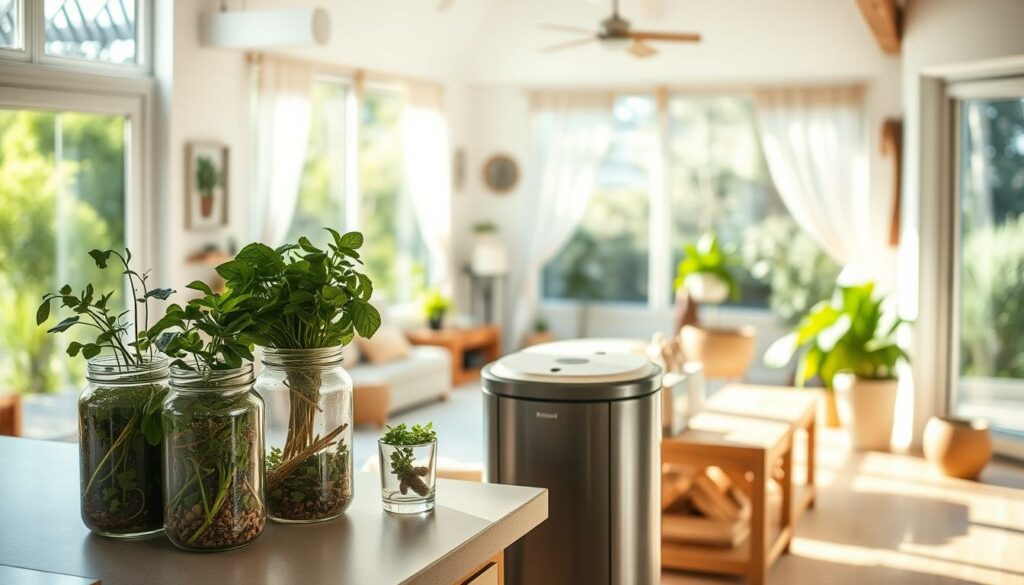
Reuse glass jars for storage
Use Ball or Kerr mason jars for holding your pantry items, leftovers, and DIY cleaners. Clean jars and lids by boiling them or using a hot dishwasher cycle. Keep them away from sunlight to prevent UV damage. Use erasable chalk labels for easy renaming. Glass is safer than plastic as it doesn’t release harmful substances.
Composting 101 for beginners
Begin with a backyard bin or tumbler like the FCMP Outdoor Tumbling Composter. Fill it with things like vegetable scraps, coffee grounds, eggshells, and garden waste. Stay away from meat, dairy, and fats. Keep a balance of greens and browns, and mix it every few weeks. Your plants will love the compost.
No yard? No problem. Use local services or apps like ShareWaste to find neighbors who’ll take your kitchen scraps. This helps avoid landfill waste and aids in local soil enrichment.
Creating natural cleaning solutions
Create a homemade cleaner with vinegar, water, and citrus peels for a fresh scent. Use vinegar and water for cleaning windows. Tackle grease with a baking soda paste, then scrub and rinse it off. Use 70% isopropyl alcohol for fast disinfecting. Remember, don’t mix vinegar with bleach or use on natural stones.
For those who prefer ready-made cleaners, opt for eco-friendly brands like Seventh Generation or Method. They’re better for the environment and effective in keeping your space clean.
Embrace these simple hacks to save money and reduce waste effortlessly. Choose a few that fit into your life and notice the positive changes in your home’s environment.
Budget-Friendly Decor Ideas
Mix thrift store finds, DIY projects, and upcycling to refresh your home affordably. These hacks extend your budget and add uniqueness to spaces. Begin with small changes for big visual improvements.
Thrift Store Finds for Unique Decor
Shop at Goodwill, Salvation Army, or Habitat for Humanity ReStores for items like solid wood frames and vintage textiles. On Craigslist, Facebook Marketplace, and OfferUp, find local deals for bigger pieces. Always look for bundle discounts and seasonal sales for extra savings.
DIY Wall Art from Old Fabrics
Turn old scarves or fabric pieces into wall art or textile panels. Stretch fabric over cheap canvases from Michaels, then staple and trim. Or, use stretcher bars for a more finished look. Mod Podge helps the fabric stick well and stay durable.
Upcycle Furniture for a Fresh Look
Upcycling furniture gives outdated pieces a new lease on life. Sand, prime, and use chalk paint for a fresh appearance. Annie Sloan or Rust-Oleum paints work great and cover well.
Change old hardware for new knobs from Home Depot. Choose durable fabrics like Crypton or Sunbrella for reupholstering. Seal with polyurethane to ensure it lasts. Remember to work in a well-ventilated area and wear masks when sanding or varnishing.
Try using removable wallpaper on drawer fronts for a quick update. Organize with pantry ideas to keep functional yet stylish. These ideas combine style with practicality, making your home both beautiful and livable.