
Did you know the average American household spends about $2,000 a year on energy bills? This shows how crucial home efficiency tips are. By making your home more efficient, you can cut down on utility bills and feel more comfortable.
Simple changes can make a big difference in your daily life and the environment. This guide will show you easy steps to use less energy at home. You’ll learn about small tweaks and big upgrades that save money and energy for your family.
Understanding Home Efficiency
Home efficiency is about using less energy to do the same things. It helps reduce waste and supports a green lifestyle. Making small changes in how you use electricity and heat can save a lot of money over time.
Knowing about home efficiency is key to a cozy home. It saves you money and helps the environment. Let’s dive into what home efficiency is and why it’s important.
What is Home Efficiency?
Home efficiency is all about using energy wisely in your home. This includes:
- Lowering energy use
- Boosting insulation
- Choosing energy-saving appliances
- Using smart home tech
Why It Matters for You
Home efficiency offers big benefits:
- Lower bills
- More comfort all year
- Less harm to the environment
- Higher home value
By following these tips, you can make your home more eco-friendly. Saving energy is good for your wallet and the planet.
Energy-Saving Appliances
Choosing the right appliances can make your home more efficient. Upgrading to energy-efficient models is a smart move. These appliances use less power but still perform well.
This means you can cut down on your electricity bills. Plus, it’s better for the environment.
Choosing Energy-Efficient Models
When picking new appliances, keep these tips in mind:
- Energy Star Ratings: Look for appliances with Energy Star labels. They meet strict energy efficiency standards.
- Size and Capacity: Pick appliances that fit your needs but aren’t too big. Bigger models use more energy.
- Features: Choose models with energy-saving features. Things like adjustable settings and timers are helpful.
Benefits of Smart Appliances
Smart appliances bring extra benefits for saving energy:
- Remote Control: Control your appliances from your phone. This lets you turn them off when not in use.
- Energy Monitoring: Many smart devices show how much energy you’re using in real-time. This helps you make better choices.
- Automation: Set appliances to run when energy costs are lower. This can save you money.
Insulation and Air Sealing
Creating a cozy home starts with good insulation and air sealing. By fixing drafts and improving insulation, you can save a lot on energy. This also makes your home more eco-friendly.
Identifying Drafts in Your Home
Drafts can cause your home to lose or gain heat. Here’s how to find where air leaks are:
- Check around windows and doors for gaps.
- Inspect attic hatches and crawl spaces.
- Look for cracks in walls and foundations.
- Use a candle or incense stick to detect air movement.
Tips for Insulating Your Space
After finding the drafts, it’s time to act. Here are some ways to insulate your home:
- Use quality insulation materials in walls and attics.
- Apply weatherstripping techniques around doors and windows.
- Seal gaps with caulk or spray foam.
- Consider adding insulated curtains for extra protection.
Learning to insulate your home well makes it more comfortable. These steps keep your home’s temperature steady, cut down energy costs, and help the planet.
Smart Home Technology
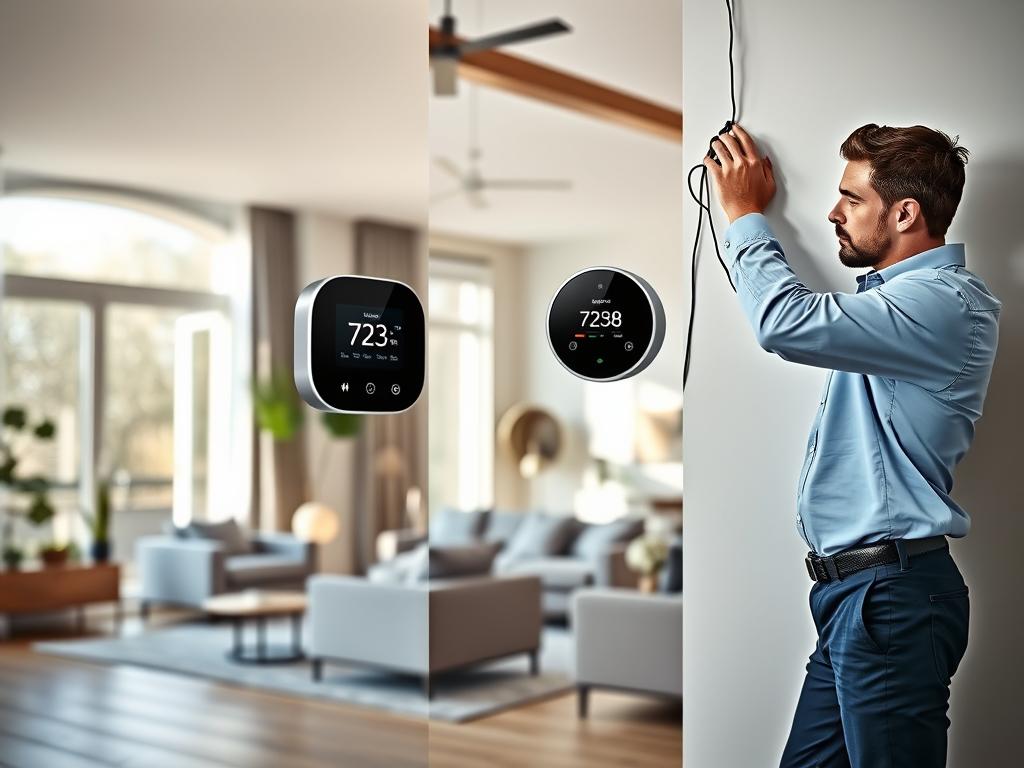
Smart home technology is changing how we use energy. With the right devices, you can control your home from anywhere. Smart thermostats are a big step forward. They learn your habits and adjust your heating and cooling automatically.
Benefits of Home Automation
Home automation brings many benefits:
- Increased energy efficiency
- Convenient remote control
- Personalized comfort settings
- Potential cost savings on energy bills
Popular Smart Devices for Efficiency
Several smart devices can make your home more efficient:
- Smart Thermostats
- Smart Lights
- Smart Plugs
- Smart Sensors
Installing a smart thermostat is a key step. These devices adjust to your lifestyle, saving energy. They can also lower temperatures when you’re away, cutting down on energy use.
| Device | Energy Savings | Features |
|---|---|---|
| Smart Thermostat | Up to 30% | Learning capabilities, remote access |
| Smart Lights | Up to 80% | Voice control, scheduling |
| Smart Plugs | Varies | Remote control, energy monitoring |
Water Conservation Techniques
Using water wisely is key to saving money and protecting our water. Simple steps can lead to big savings and help the planet. Checking for leaks and updating fixtures can make a huge difference.
Fixing Leaks and Drips
Even small leaks can waste a lot of water. Here’s how to fix them:
- Look for any dripping faucets or pipes.
- Replace old washers or seals in faucets.
- Check toilets for silent leaks by adding food coloring to the tank; if it seeps into the bowl, there’s a leak.
Water-Efficient Fixtures to Consider
Switching to water-saving fixtures can save water without losing quality. Here are some good options:
- Install low-flow showerheads to reduce water usage while maintaining pressure.
- Use faucet aerators to cut down on water flow without losing effectiveness.
- Choose dual-flush toilets that allow you to select the appropriate flush volume.
Using these water-saving tips can help you save water and make your home greener. By fixing leaks and choosing efficient fixtures, you can cut down on your bills and help the environment.
Efficient Heating and Cooling
Your heating and cooling system uses a lot of energy in your home. Using smart energy-saving strategies can cut down your utility bills a lot. Installing a smart thermostat is a big help. It lets you control your home’s temperature based on your daily routines.
Programmable Thermostats and Their Benefits
Programmable thermostats have many benefits:
- They adjust automatically based on your schedule.
- They use less energy when you’re not home.
- They keep your home at a consistent temperature.
Smart thermostats learn your habits and adjust for you. This can save a lot of energy without making you uncomfortable.
Tips for Seasonal HVAC Maintenance
Keeping your HVAC system in good shape is key. Here are some tips:
- Change your air filters every 1-3 months.
- Clean the outdoor unit and remove any debris.
- Check the refrigerant levels and look for leaks.
- Get a professional to inspect it at least once a year.
Following these tips will make your system work better and last longer. A well-kept HVAC system saves energy and keeps your home comfy all year.
Sustainable Practices
Improving your home is more than saving energy. It’s about living better with our planet. Using renewable energy and recycling helps us all. It makes our planet healthier.
Incorporating Renewable Energy Sources
Renewable energy can change your home. Here are some great options:
- Solar Panels: Turn sunlight into electricity.
- Wind Turbines: Use wind to make power.
- Geothermal Systems: Harness the earth’s heat for warmth and coolness.
These systems cut down on your bills. They also help you live more sustainably. Adding insulation makes your home even more energy-efficient.
The Importance of Recycling and Composting
Recycling and composting are key for saving water. They greatly reduce waste. Here’s why they’re important:
- Reduces landfill waste: Keeps materials from landfills.
- Conserves resources: Saves the need for new materials.
- Enhances soil health: Composting makes your garden soil better.
By recycling and composting, you save money and help the planet. Every little bit helps make a big difference.
Lighting Solutions for Efficiency
Improving your home’s lighting can save a lot of energy. Simple changes can make a big difference. Switching to LED bulbs and using smart lighting systems are great ways to start.
Switching to LED Bulbs
LED bulbs are a simple way to make your home more efficient. They use less energy and last longer than old bulbs. Here are some benefits:
- Lower energy consumption
- Reduced heat output
- Longer lifespan
- Variety of color temperatures
Switching to LEDs will lower your energy bills. You’ll also need to buy new bulbs less often.
Using Smart Lighting Systems
Smart lighting systems take efficiency even higher. They let you control lights from anywhere and set schedules. Benefits include:
- Ability to dim lights for ambiance
- Automatic adjustments based on natural daylight
- Energy savings through scheduled on/off times
Combining smart lighting with LEDs is a smart move. It lets you control your home’s lighting easily. This saves you money and fits your lifestyle.
Creating an Efficient Home Office
Creating a home office that boosts productivity is more than picking a desk and chair. It’s about making a space that’s both comfy and energy-smart. Smart choices can cut down on energy use while keeping your work area productive.
Ergonomics is key in your workspace. Choose a chair that supports your back and a desk at the right height. Good posture stops discomfort during long workdays. LED lighting upgrades are also a smart pick. They light up your space well but use less energy.
Keeping your office at a comfy temperature is crucial. Regular HVAC checks help your systems work better. A well-kept system saves energy and makes your work area nicer. Focus on these areas to increase your productivity and help the planet.