
Almost 70% of Americans find small daily changes save more time than big weekend efforts. This fact highlights the power of practical life hacks in reshaping routines quickly.
Smart, simple strategies can shorten cleanup times, reduce monthly bills, and enhance concentration. These strategies range from quick kitchen tricks to wise spending habits that safeguard your budget.
This guide covers tips for your home, office, shopping, mornings, finances, trips, DIY tasks, scheduling, health, technology, parenting, and green living. It presents straightforward ideas to try immediately.
Begin with a single hack, monitor progress using a checklist or notes app, and stick with what succeeds. Recommendations are supported by reputable sources like Consumer Reports, the EPA, Harvard Business Review, and the USDA, ensuring they’re both useful and trustworthy.
This content is crafted in a welcoming, second-person narrative for U.S. readers—you can start one tip today and notice a significant impact by next week.
Simplifying Household Chores
Making your home tidy gets easier with simple steps and regular habits. These tips help you save time and lower stress. They keep your home looking good and your kitchen in order. Just use a few tools, maintain a routine, and organize things smartly.
Time-Saving Cleaning Tips
Clean from top to bottom and left to right. This method stops you from having to clean again. It helps you get done quicker. Use multi-surface cleaners like those from Mrs. Meyer’s or Method to switch less and clean faster.
Build quick, daily cleaning habits. Spend five minutes tidying each evening. Always wipe counters and follow a nightly dish routine. These habits stop clutter and make deep cleaning easier. For dust, use microfiber cloths. They catch dust without spreading it around.
Plan deep cleaning based on how often it’s needed. Use a mix of white vinegar and baking soda for grout and drains. Get gadgets like a Roomba, steam mop, and a microfiber mop system. They make cleaning less work.
Trust Consumer Reports and EPA for safe product choices. Choose items that are effective but reduce chemicals. These choices make cleaning safer and faster over time.
Organizing Your Kitchen Efficiently
Organize your kitchen with the work triangle in mind: sink, stove, refrigerator. Keep items you use a lot near these spots. This makes cooking faster. Have a special spot for meal prep with all needed tools.
Organize on a budget with simple tools. Use tension rods and clear bins to organize under the sink and in the pantry. Label everything for easy grabbing. Items like OXO containers help with this.
Save space with vertical storage and other smart solutions. Put raw meat on the bottom shelf to avoid germs. Use FIFO (First In, First Out) labels to keep things fresh. This method helps prevent mixing up food dates.
Seeing what you have saves money. Using clear containers and labels cuts down on waste. Organizing little by little leads to big savings. It means less waste and fewer rushed trips to the store.
Enhancing Productivity at Work
To boost your daily work output, start with simple changes. This guide provides easy life hacks and steps for working smarter. With small adjustments, you can keep focused and improve your momentum.
Tools and Apps to Boost Efficiency
Pick tools that fit how you work. Notion is great for organizing projects and Todoist keeps tasks clear. Trello simplifies visual workflows, Slack boosts team chats, and Google Workspace aids in working together in real-time.
Use Toggl or RescueTime to find where time gets lost, then focus on important tasks. LastPass protects passwords, and Grammarly helps make your writing better. Many tools are cheap or free, perfect for those watching their budget.
Techniques for Better Focus
Try working for 25 minutes, then taking a 5-minute break. Group similar tasks and plan your day to switch contexts less. This reduces mental stress.
To avoid interruptions, use Do Not Disturb settings and turn off unnecessary notifications. Block distracting sites with tools like Freedom or StayFocusd. Set your most crucial tasks daily and start with an easy task for quick success.
Harvard Business Review says switching tasks a lot can lead to more mistakes and wasted time. Remember to take breaks to prevent burnout and keep your mind focused.
Creating a Conducive Workspace
Place your monitor at eye level and choose a supportive chair. Arrange your keyboard and mouse to prevent wrist pain. Good setup helps you work longer without getting tired.
If you can, use natural light and extra lamps to ease eye strain. Keep your desk tidy and add a plant or photo for a mood boost. Aim for a clean space that helps you concentrate.
Look for used desks or accessories to save money. These affordable options can make your space nicer without costing a lot.
Smart Grocery Shopping Hacks
Smart grocery shopping can save you both time and money. You can reduce stress, minimize waste, and make your food budget go further with a simple weekly plan. Follow these life hacks to make shopping and cooking easier and faster.
Meal Planning Made Easy
Start by choosing 2–3 proteins and 2–3 veggies or starches for the week. You can then mix these ingredients in different ways to make varied dinners. Also, plan a leftover night to use up food and save time.
Apps like Mealime, Paprika, or Google Keep can organize your recipes and shopping lists. Having theme nights, like Meatless Monday or Taco Tuesday, makes deciding what to eat simpler.
Batch cooking meals such as soups, casseroles, or grain bowls can save you time. Freeze these meals for quick options on busy nights. It makes meal planning a breeze.
Shelf Life Extensions for Food
Keep herbs fresh in water like flowers and use breathable bags for lettuce and berries. Apples should be kept away from other produce to prevent them from ripening too fast.
Make sure your fridge is set to 40°F or less. Blanch veggies before freezing to preserve their texture. Vacuum sealers and airtight containers help prevent freezer burn and keep food fresh.
Understanding the meaning of use-by and best-by dates can prevent wasting food that’s still good. Proper food handling and storage are key to extending your food’s shelf life.
Budget-Friendly Shopping Strategies
Shop the perimeter of the store for fresh food and choose store brands for basic items to save money. Look at unit prices and stock up on shelf-stable items when they’re on sale.
Participate in loyalty programs, use coupons, and try cash-back apps like Ibotta or Rakuten. Price-tracking browser extensions can also help you find the best deals.
Buying in bulk can save money on frequently used items. If you’re low on space, consider sharing large purchases with a friend. Using weekly ads and choosing grocery pickup can help you stick to your list and avoid unplanned purchases. These tips offer ongoing ways to shop smartly and save money.
Streamlining Your Morning Routine
Begin your day with clever tricks to fight decision fatigue and save time. Implement a couple of life hacks to make mornings less hectic. Preparing on Sunday helps your whole week run smoothly.
Quick Breakfast Recipes
Make breakfast quick and healthy. Prep overnight oats with milk, fruit, and chia seeds for a quick meal. Whip up smoothies with spinach, banana, and protein for energy on the go.
Try yogurt parfaits and egg muffins for easy protein in the morning. Learn microwave tricks for scrambled eggs in a mug. These shortcuts save you valuable time.
Spend some time on Sunday prepping fruit and grains. This lets you put together meals quickly during the week.
Efficient Outfits for the Week
Create a capsule wardrobe with simple, mix-and-match pieces. This makes choosing what to wear a breeze. Look for basics at Uniqlo or Old Navy for affordable quality.
Plan your outfits the night before. Use bins or a hanging planner. Fixing your clothes instead of buying new saves money and keeps you looking sharp.
A Morning Checklist for Success
Make a short checklist for each morning. It should include drinking water, personal hygiene, stretching, breakfast, and reviewing your main goals for the day.
Track your routine with apps like Habitica or Streaks. Adding extra time for unexpected delays keeps mornings stress-free. This helps you remain punctual and focused.
| Item | Time Saved | Low-Cost Tip |
|---|---|---|
| Overnight oats | 3–5 minutes in morning | Buy rolled oats in bulk |
| Egg muffins | 2 minutes to reheat | Use a basic muffin tin from Walmart |
| Smoothies | 2–4 minutes to blend | Freeze fruit to extend shelf life |
| Capsule wardrobe | 5–10 minutes per day | Shop versatile staples at Uniqlo |
| Night-before outfit prep | Eliminates morning decisions | Use dollar-store bins for organizers |
| Morning checklist | Improves focus, saves time | Use free habit apps like Streaks |
Optimizing Your Finances
Making smart money choices may seem little but can greatly improve your life. Start by keeping track of your money, aim for easy goals, and pick tools that suit your daily life. This helps manage your spending, save more, and aim for bigger financial dreams.
Budgeting Apps to Consider
Mint helps with daily budgeting and tracking bills, and it’s free though it shows ads. It sorts your spending automatically when you link your accounts. Meanwhile, YNAB (You Need A Budget) follows a unique budgeting technique, making sure every dollar is assigned a role. Although it costs a bit, it can really help reduce overspending.
Personal Capital is useful for keeping an eye on investments and overall wealth. It’s great for those looking into retirement and larger financial planning. On the other hand, EveryDollar is perfect for simple, day-to-day budget planning. Traditional banks offer basic services, while newer tech like Acorns provides innovative saving options.
Always ensure your online banking is secure by using two-factor authentication and checking the app permissions. This keeps your information safe while the tools organize your finances automatically.
Saving Strategies for Everyday Spending
Setting spending limits for non-essential items helps avoid impulse buys. Using cash envelopes can prevent overspending in certain areas. These small steps can significantly protect your budget.
Start saving effortlessly by scheduling transfers to a high-yield savings account, like those offered by Ally Bank or Marcus by Goldman Sachs. Aim to save enough for three to six months of living expenses. This method helps build your savings without feeling overwhelmed.
Simple daily changes can lead to big savings. Consider packing your lunch and making coffee at home instead of buying out. Also, regularly check your subscriptions to ensure they’re still valuable to you. Don’t forget to negotiate for better rates on services like internet and insurance every year.
Choose credit cards that reward your most common purchases and always pay off the balance. Be smart with cashback offers and sign-up bonuses to avoid unnecessary spending. This approach lets you benefit from rewards without harming your budget.
Combine these tactics with overall financial planning efforts for the best results. Keep an eye on your total net worth, set specific savings goals, and regularly review your expenses. Adopt financial strategies that help align your daily spending with your ultimate financial goals, focusing on actions that make a lasting impact.
Travel Hacks for a Better Experience
Travel should be easy and enjoyable, not full of stress. By using simple tips, you can make packing, booking, and navigating airports easier. These tips are small but make a big difference on your journey.
Packing Tips for Stress-Free Travel
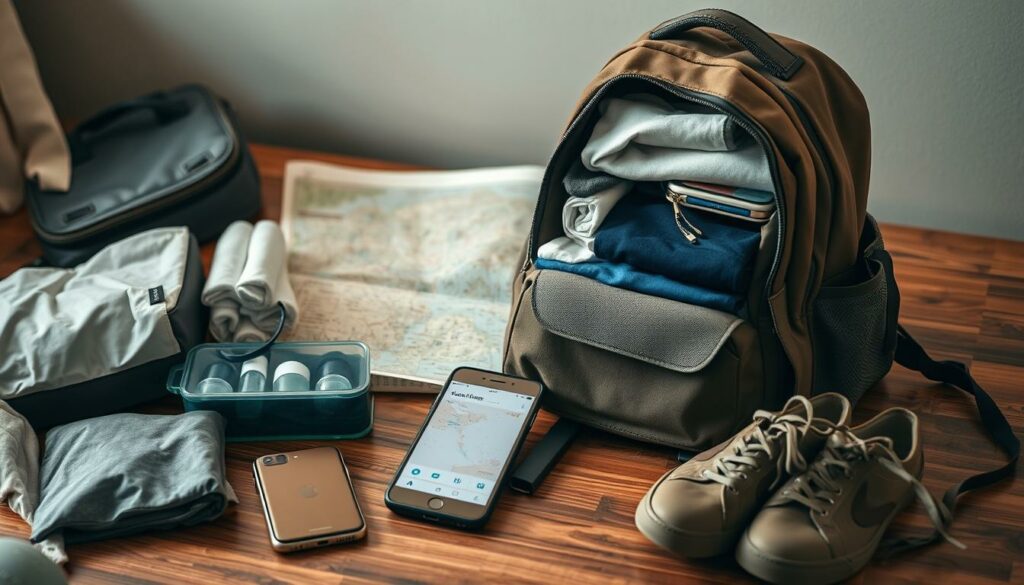
Make a packing list based on how long you’ll be away and what you’ll do. Packing cubes help compress clothes and keep them sorted.
To save space, roll your casual wear. Use tissue paper for clothes that wrinkle to avoid creases. For toiletries, use small reusable bottles in a zip pouch. Don’t forget a list for chargers and adapters.
Your carry-on should have a change of clothes, essential toiletries, and travel documents. Bring an empty water bottle to fill up after security. This saves money and reduces airport purchases.
Finding Affordable Accommodations
Look for the best prices on sites like Booking.com, Airbnb, and Hotels.com. Kayak and Skyscanner can also help. Staying a bit away from tourist spots can be cheaper.
If you’re staying long, search for places with discounts for longer bookings. Always read up-to-date reviews and check the cancellation policy before you book.
Explore staying in hostels, vacation rentals, or home-sharing for less expensive options. Sign up for hotel loyalty programs and use credit card travel benefits for savings.
Navigating Airports Like a Pro
Check in online and use the airline’s app for updates. TSA PreCheck or Global Entry can speed up security checks.
Follow the rules for carry-on liquids and keep your travel papers within reach. Choose your boarding time and seat wisely for comfort and upgrade chances.
Bring your own snacks to dodge high airport prices. Lounge access, via day passes or credit card perks, offers a peaceful wait. These tips help make airport travel smoother and more pleasant.
DIY Home Improvement Tricks
Make your space look new without spending a lot. Small changes like paint and lighting can have a big effect. These DIY tricks save time and look like a pro did them.
Budget-Friendly Decor Ideas
Move furniture around to make the room flow better. Throw pillows and rugs can quickly change colors and textures. A few art prints in matching frames can give a gallery look.
Try peel-and-stick wallpaper for a no-commitment accent wall. Look at thrift stores, Facebook Marketplace, and IKEA for budget-friendly items to redo. Updating an old dresser with new paint and hardware can make it look new.
A new paint job can change a room without costing much. Pick quality paint from Benjamin Moore or Sherwin-Williams for good results. Warm LED bulbs and a new floor lamp can make the room feel different without a big project.
Simple Repairs You Can Do Yourself
Fix small holes in walls with spackle, sand them down, and repaint. You can stop a leaky faucet by changing the cartridge or washers. Use a plunger or a plumber’s snake to unclog drains before calling for help.
Have a basic tool kit ready with a wrench, screwdriver set, and more. These tools help you do many repairs yourself and save money.
Always cut off water or electricity when needed and wear safety gear. Look up how-to videos from This Old House for help. For big jobs like electrical work, get a pro and compare estimates to save money.
Saving money on home repairs can be easy with the right tips. Doing the work yourself and buying smart can keep your home updated without spending too much.
Time Management Techniques
To master your day, start with reliable systems. Use life hacks to reduce decision fatigue. This saves time for critical work. Here, find steps to organize tasks, schedule them, and stay on track.
Start your day by identifying three main tasks. Order other tasks so urgent ones don’t distract you from these priorities. Then, match your list with calendar blocks to give tasks specific times.
Prioritization Methods for Tasks
The Eisenhower Matrix helps you decide what to do next. It divides tasks into four actions: Do, Schedule, Delegate, Delete. Put urgent-important tasks in Do, schedule important ones, delegate when you can, and drop the rest.
When your task list gets long, try the ABCDE method. Label essential tasks as A, B for important ones, C for optional, D to delegate, and E to eliminate. Focus on A tasks first.
To make these systems work, automate what you can. For instance, set up autopay for bills to reduce your stress. Use online services for routine tasks like invoicing or payments, so they fit right into your plan.
The Pomodoro Technique Explained
Pomodoro breaks work into short, focused segments. Work for 25 minutes, then take a 5-minute break. After four rounds, rest longer. This method fights delay and schedules rests.
Choose a timer app or a Pomodoro timer for this. If 25 minutes is short, try 50 minutes of work with 10-minute breaks. Track your Pomodoros to see your progress and adjust goals.
Combine Pomodoro with your three main tasks. Use each session to focus on these priorities. On short breaks, stretch or check messages. This keeps your work time focused.
Mixing task methods with timed sessions makes your day doable. It improves work results and personal time. This technique sets clear work-life boundaries.
Good time habits lead to good money habits. Use time management discipline for money strategies like savings and automated payments. This saves thinking space and helps achieve goals quicker.
Health and Wellness Tips
Making small, steady changes can really boost your energy and resilience. Try to include small movements and smart snacking in your routine. These tips are designed for even the busiest people and won’t break your bank.
Easy Exercises for Busy Schedules
Quick, effective exercise routines can give good results without spending hours at the gym. Start your day with a 7–15 minute HIIT session or a 10-minute full-body routine to kick-start your metabolism.
You can build strength using just your body weight. Moves like push-ups and squats work well. Squeeze in short 2–5 minute workouts during breaks to improve circulation and lower stress.
Walking for just 20 minutes during lunch can boost your mood and help clear your mind. Make choices that add more movement to your day, like using the stairs or parking further away.
Lots of free resources are available to help you exercise. Try Nike Training Club, Fitness Blender, or search YouTube for no-equipment-needed workouts that fit your schedule.
Nutritious Snacks for Energy
Choose snacks that are both healthy and easy to take with you, like nuts and apples with peanut butter. These can keep you going in the afternoon. Other good options include Greek yogurt with berries or hummus and carrots.
Planning ahead saves time and helps you eat better. Divide your snacks into portions ahead of time. Carrying a water bottle helps keep you hydrated, boosting your energy and helping you avoid eating when you’re not really hungry.
While caffeine can give you a quick energy boost, it’s best to pair it with food and water to avoid energy crashes. Buying staples like nuts in bulk can save money and support healthy eating.
To stay within your budget, buy snacks that are good for you but don’t cost a lot. Look for store brands, seasonal fruits, and compare prices to get the best deals without giving up on quality.
| Goal | Quick Options | Time | Cost Tip |
|---|---|---|---|
| Morning energy | 10-minute full-body routine; Greek yogurt with berries | 10–15 min | Buy yogurt in larger tubs, portion yourself |
| Midday boost | 20-minute walk; apple with peanut butter | 20 min | Purchase peanut butter in bulk jars |
| Afternoon slump | 7–15 minute HIIT; handful of mixed nuts | 7–15 min | Buy nuts and seeds in bulk bins |
| Quick protein | Hard-boiled eggs; hummus and carrot sticks | 5–10 min prep | Batch-cook eggs and portion hummus at home |
Tech Life Hacks
These tech life hacks make daily tasks faster and easier. They help you save time, cut down on clutter, and keep important files safe. Start with one tip this week. Add more as you get used to them.
Keyboard Shortcuts You Should Know
Learning keyboard shortcuts can save you lots of time. Begin with the basics that work across many platforms: copy (Ctrl+C or Command+C), paste (Ctrl+V or Command+V), undo (Ctrl+Z or Command+Z), switch apps (Alt+Tab or Command+Tab), and find (Ctrl+F or Command+F).
Then, learn shortcuts for specific apps. For faster email management in Gmail, use Gmail keyboard shortcuts. In Microsoft Excel, press Ctrl+Shift+L to switch filters on or off. And use browser shortcuts to move between tabs or reopen ones you closed.
Practice these keyboard shortcuts for one week. Doing a little every day will make them stick. You’ll get more focused and finish your work quicker.
Using Cloud Storage for Organization
Cloud services make files easy to get to and reduce the need for paper. Look at Google Drive for working together, Dropbox for syncing files easily, OneDrive for working with Microsoft Office, and iCloud for Apple devices. Pick what’s best for your needs.
Keep things neat with clear names for folders and files. Using dates like YYYY-MM-DD and clear names for projects works well. Move older files to a different folder to keep your current work organized.
Sync up important papers, receipts, and photos to access them from anywhere. Always use two-factor authentication for extra security. The free plans are enough for basic needs. Consider paying more for extra space if you find it helps you save money and stay organized.
| Service | Best For | Free Tier Notes |
|---|---|---|
| Google Drive | Real-time collaboration with Google Docs | 15 GB shared across Gmail and Google Photos |
| Dropbox | Simple file syncing across platforms | 2 GB free, easy upgrade paths |
| OneDrive | Office integration on Windows and Mac | 5 GB free, often bundled with Microsoft 365 |
| iCloud | Seamless sync for iPhone, iPad, Mac | 5 GB free, affordable paid plans |
Combining keyboard shortcuts with cloud storage makes for smart tech habits. They free up time and can also help you save money by cutting down on the need for paper and wasted effort.
Creative Parenting Hacks
Try easy, fun hacks to make busy days smoother and add joy for your kids. Use things around the house for play, learning, and daily routines. These hacks save time and money, fit into any schedule, and keep stress away.
Engaging Activities for Kids
Set up DIY sensory bins with rice, beans, or water beads to keep toddlers busy. This can be done while you make dinner. Turn backyard scavenger hunts into learning moments with a simple checklist.
Build skills away from screens by cooking together, like making banana pancakes or easy salads. Use LEGO or blocks for building fun. Try science kits from National Geographic Kids or PBS Kids for hands-on learning.
Change up activities every week to keep things fresh for your child. Look for free story times at the library or programs at the community center. These are great ways to save money and find fun activities.
Make sure activities are right for your child’s age and always watch them closely. Keep unsafe items like scissors and small parts away from little ones.
Streamlining Homework Routines
Start homework after a snack break. Pick a quiet spot with good light for working. Have supplies like pencils and chargers ready in a caddy.
Break homework into short blocks with breaks. Use a timer to stay on track, following a schedule that keeps kids focused. This helps finish tasks without getting too stressed.
Keep in touch with teachers to clarify any confusing instructions. Look for online resources like Khan Academy for extra practice. Use Common Sense Media for safe tech tips.
Reward good work habits with stickers or extra reading time. Choose rewards that don’t cost much but mean a lot.
Below is a guide to help you choose the best activities and tools for your needs and budget.
| Goal | Activity or Tool | Cost | Benefit |
|---|---|---|---|
| Quiet play | DIY sensory bin (rice, cups, spoons) | Low | Develops fine motor skills and lasts for multiple sessions |
| Outdoor learning | Backyard scavenger hunt | Free | Encourages exploration and observation |
| Skill building | LEGO or block building | Moderate | Boosts creativity and spatial reasoning |
| Homework focus | Timer + designated workspace | Low | Improves concentration and task completion |
| Extra learning | Khan Academy lessons | Free | Provides guided practice aligned to school topics |
| Budget-friendly fun | Library story time | Free | Promotes literacy and social interaction |
Eco-Friendly Life Hacks
Start with small changes: choose reusable items over disposable ones and prefer quality. Buying durable appliances like a high-quality blender or an Energy Star-certified fridge costs more initially. But, these choices save money on utilities and reduce the need for replacements.
Save money by shopping at thrift stores, consignment shops, or online local marketplaces. Here, you can find long-lasting clothes and household items for much less.
Pick products that have less packaging, are refillable, and have eco-friendly labels like USDA Organic. Always carry reusable bags, a water bottle, and a coffee cup to lessen daily trash and save money. Use refill stations at stores such as Target or Whole Foods for cleaners or personal care items, cutting back on plastic and saving money over time.
Limit food waste by planning your meals, sticking to a shopping list, and buying seasonal produce from farmers’ markets. Compost at home or via city programs to reduce trash fees and enrich your garden soil. When cleaning out, donate things you don’t need to Goodwill or shelters, recycle old electronics properly, and reuse jars for storage.
Switch to reusable kitchen towels, beeswax wraps, and cloth produce bags for low-cost savings. These eco-friendly and frugal tips quickly become part of everyday life. Use community resources like recycling centers and composting programs to further benefit the planet and your budget over time.