
Did you know 54% of Americans feel overwhelmed by clutter at home? This shows how much disorganization can disrupt our lives. Learning to organize household items is key to a peaceful and functional home.
Clutter can really hurt your mental health and daily productivity, says the National Association of Productivity and Organizing Professionals. This guide offers practical tips to make your home a place of order and efficiency.
By making these simple changes, keeping your home tidy will become second nature. Let’s dive into some smart ways to organize your space and take back control.
The Importance of Organizing Household Items
Keeping your home organized can make your daily life better. An organized space helps you find what you need fast. This saves time and energy.
Research shows a tidy home lowers stress and clears your mind. When you have specific places for things, you feel more in control and at peace.
Benefits of an Organized Home
There are many good things about an organized home. Here are some:
- Increased efficiency in daily tasks
- Less time spent searching for items
- Improved mental clarity and focus
- Lower stress and anxiety levels
- A more inviting and pleasant living space
Reducing Stress Through Organization
Living in a clutter-free home can really cut down on stress. Studies show people in organized spaces have lower cortisol levels. This hormone is linked to stress.
Here are ways organization can help:
- Creates a sense of calm and order
- Encourages positive habits and routines
- Helps you prioritize tasks effectively
- Promotes a healthier lifestyle by reducing distractions
By focusing on organization, you can turn your home into a sanctuary. It supports your well-being. Small steps towards a more organized life can make a big difference in your quality of life.
Decluttering: The First Step to Organization
Decluttering is key to getting organized. Before you can use new storage, you need to clear out old stuff. Get rid of items you don’t use anymore. A good rule is to toss or give away anything unused in a year. This clears your space and mind.
To declutter well, here are some helpful tips:
Tips for Effective Decluttering
- Set a timer for 15-30 minutes to stay focused.
- Start with one room or area at a time.
- Use boxes labeled “Keep,” “Donate,” and “Discard.”
- Ask yourself if each item adds value to your life.
- Involve family members to make it a fun activity.
What to Keep, Donate, or Discard
Deciding what to keep, donate, or toss can be tough. Here are some guidelines:
| Category | Keep | Donate | Discard |
|---|---|---|---|
| Clothing | Items you wear regularly | Gently used clothes you no longer wear | Damaged or worn-out clothing |
| Books | Favorites you will read again | Books you enjoyed but won’t reread | Damaged or outdated books |
| Kitchen Items | Frequently used tools | Duplicates or unused gadgets | Broken or damaged items |
By following these steps, you can declutter effectively. This is the first step to keep your living spaces tidy.
Smart Storage Solutions for Every Room
When you need to organize small spaces, think outside the box. Use vertical space to change how you use your home. Wall-mounted shelves or tall bookcases are great for homes with little floor space. They keep things off the ground but still easy to reach.
Utilizing Vertical Space
Vertical storage is a big help. Here are some ideas to get you started:
- Install floating shelves in living rooms and kitchens.
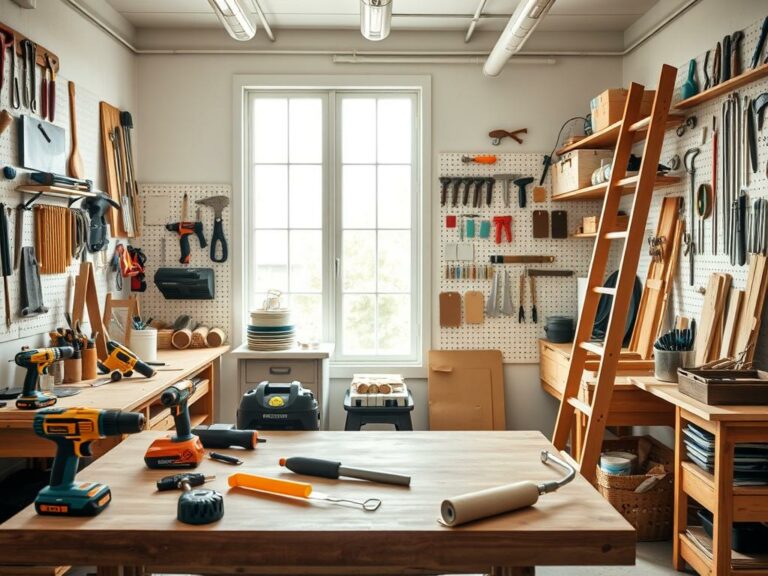
- Use pegboards in garages or craft rooms for tools and supplies.
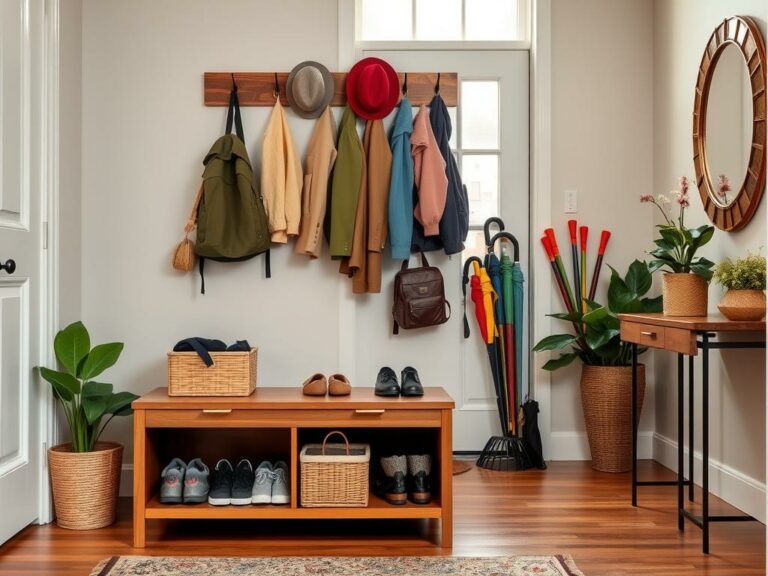
- Hang hooks for bags, hats, or kitchen utensils.
Multi-Functional Furniture
Choose furniture that does more than one thing. This is great for small areas. Here are some options:
- Ottomans with hidden storage compartments.
- Beds with built-in drawers underneath.
- Coffee tables that can expand for dining or work.
These smart design choices make every inch of your home useful. By using these storage solutions, you can make your living space more organized and functional.
| Storage Solution | Benefits |
|---|---|
| Wall-Mounted Shelves | Maximize vertical space, keep items off the floor |
| Multi-Functional Ottomans | Provides seating and hidden storage |
| Expandable Coffee Tables | Offers versatility for dining or work |
Organizing Your Kitchen for Efficiency
Starting an efficient kitchen begins with smart organization. Organizing your cabinets and pantry shelves makes cooking easier and more fun. A well-organized kitchen saves time and reduces stress during meal prep. Here are some tips to help you get started.
Pantry Organization Tips
To effectively organize pantry shelves, consider these strategies:
- Group similar items together, such as canned goods, snacks, and baking supplies.
- Use clear containers to keep ingredients visible and fresh.
- Incorporate tiered risers to see items stored in the back without hassle.
- Label shelves and containers for quick identification.
Drawer Layouts That Work
Efficient drawer layouts can transform your cooking experience. Here are some ideas:
- Use dividers to separate utensils and tools, making them easy to find.
- Store frequently used items in the top drawers for easy access.
- Keep less-used gadgets in deeper drawers or the back.
Implementing these tips will help you organize kitchen cabinets and pantry shelves effectively. A well-organized kitchen enhances your cooking experience and keeps your space tidy.
Creating a Functional Home Office Space
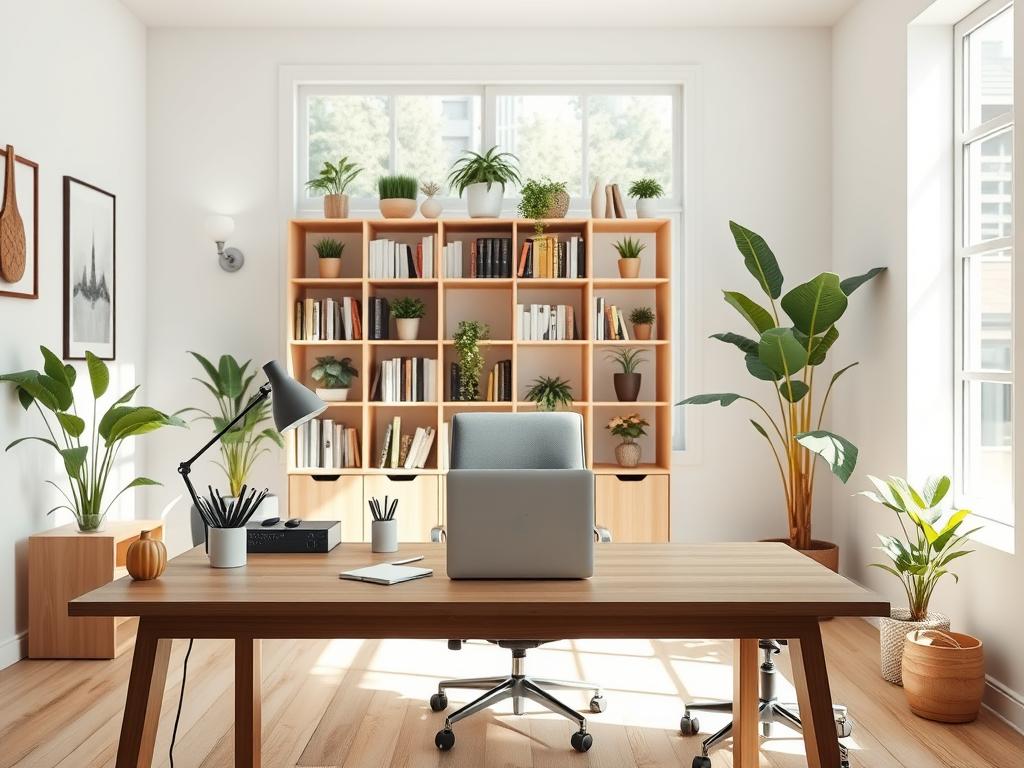
Designing a home office needs careful planning. You want a space that boosts productivity and keeps things organized. A well-organized area helps you stay focused on your tasks. Begin by collecting the office supplies you use every day.
Essential Office Supplies to Store
Having your office supplies nearby makes work easier. Here are some must-haves:
- Pens and pencils
- Notebooks and sticky notes
- Stapler and paper clips
- Highlighters and markers
- Scissors and tape
Modular organizers can keep these items neat. This way, you can quickly find what you need without cluttering your desk.
Ideas for Paper Management
Managing paper is key in a home office. A simple filing system can save you time and reduce stress. Here are some tips:
- Use color-coded folders for different categories.
- Label each folder clearly for easy identification.
- Set up a designated space for incoming and outgoing documents.
- Regularly review and purge unnecessary papers.
Keeping your desk clear helps you avoid distractions. This lets you focus on your work. Remember, a good home office is all about balance and easy access.
Kids’ Rooms: Keeping It Tidy
Managing your child’s room can be a fun yet challenging task. The right storage solutions make a big difference. You want options that are durable and easy for little hands to use. Engaging your children in the organization process helps them learn valuable habits early on.
Toy Storage Ideas
Using labeled bins for toy storage is a great way to encourage your kids to help clean up. Here are some effective ideas:
- Clear plastic bins for visibility
- Color-coded boxes for different toy types
- Low shelves for easy access
- Soft storage bags for stuffed animals
Creating a Homework Station
A dedicated homework station can help your child focus on schoolwork. Consider these tips for setting up an effective space:
- Choose a quiet area with good lighting
- Include a comfortable chair and desk
- Stock it with essential supplies like pencils, paper, and a calculator
- Use a bulletin board for reminders and schedules
By implementing these strategies, you create a tidy environment. This encourages your children to take responsibility for their belongings. It also fosters a sense of order in their lives.
Efficient Bathroom Organization
Turning your bathroom into a neat space can change your daily life. With smart ideas, even small bathrooms can be organized. Creative storage helps make your bathroom calm and welcoming.
Maximizing Space in Small Bathrooms
Small bathrooms can be tough for storage. Here are some smart ways to use every inch:
- Use over-the-door organizers for towels and toiletries.
- Install shelves above the toilet for extra storage.
- Utilize under-sink pull-out drawers to keep items hidden yet accessible.
- Incorporate baskets to group similar items together.
Organizing Personal Care Items
Organizing your personal care items can make mornings easier. Here’s how:
- Sort items into categories: skincare, haircare, and toiletries.
- Keep frequently used items within easy reach.
- Use clear containers to see what you have at a glance.
- Regularly check expiration dates and discard old products.
By using these ideas, you can clear your countertops and make your bathroom feel bigger. A clean bathroom looks great and feels calming. Try these tips to make your bathroom both functional and beautiful.
| Storage Solution | Benefits |
|---|---|
| Over-the-Door Organizers | Maximizes vertical space and keeps items accessible. |
| Pull-Out Drawers | Utilizes hidden space for a cleaner look. |
| Baskets | Helps categorize items and reduces clutter. |
| Clear Containers | Allows easy visibility of products. |
Closet Organization Tips for Better Access
Having a well-organized bedroom closet is key for a smooth day. Start by organizing your clothes by season. This way, you can easily find what you need and keep the rest out of sight. It saves space and makes getting ready faster.
Seasonal Wardrobe Management
Here are some tips for managing your seasonal clothes:
- Switch clothes with the seasons.
- Put away clothes you don’t wear in bins or vacuum-sealed bags.
- Keep your favorite clothes at eye level for quick access.
Use of Labels for Clarity
Labels are crucial for a tidy closet. They save time and reduce stress. Here are some label ideas:
- Label bins with what’s inside.
- Use color-coded labels for different family members.
- Mark shelves for shoes, accessories, and seasonal clothes.
Uniform hangers make your closet look better. Keeping your closet organized means you spend less time getting ready. It also helps your clothes last longer.
Organizing Cleaning Supplies
Keeping your cleaning supplies organized is key for an efficient cleaning routine. When everything is in its place, you can easily tackle household chores. Choosing the right storage option can make a big difference in your cleaning experience.
A portable caddy is a popular choice. It lets you carry all your essential sprays and cloths from room to room. On the other hand, a stationary container works well if you prefer a designated spot for your supplies. Let’s look at the benefits of each option.
Caddy vs. Container: What Works Best?
- Caddy: Great for mobility, making it easy to move supplies as you clean.
- Container: Keeps everything in one place, ideal for larger storage needs.
Both options have their advantages. A caddy offers flexibility, while a container provides stability. Your choice depends on your cleaning habits and available space.
Cleaning Schedule Templates
To stay on top of your cleaning tasks, consider using a cleaning schedule template. This helps you track your progress and ensures no area of your home is neglected. A well-structured schedule can make the cleaning process less daunting.
Here are some key elements to include in your cleaning schedule:
- Daily tasks (e.g., wiping surfaces, sweeping floors)
- Weekly tasks (e.g., vacuuming, mopping)
- Monthly deep cleaning (e.g., washing windows, organizing closets)
Having a clear plan and organized supplies allows you to maintain a clean home with ease. Embrace these tips to enhance your cleaning routine and enjoy a tidy living space.
Maintaining Your Organized Space
Keeping your home organized is a never-ending task. Daily habits are crucial in keeping your space tidy. Simple routines can help you stay organized and prevent clutter. Here are some living room organization tips to consider.
Daily Habits That Help
Adopting daily habits can greatly improve your home’s organization. Here are some effective practices:
- Practice the “one-in, one-out” rule: When you bring in a new item, remove an old one.
- Spend five minutes each evening resetting your living room by returning items to their designated spots.
- Make it a habit to put things back right after using them.
- Involve family members in tidying up to share the responsibility.
Monthly Checklists for Clutter Control
Creating a monthly checklist can help you manage deeper cleaning tasks. This approach prevents small messes from becoming overwhelming. Consider the following checklist:
| Task | Frequency |
|---|---|
| Declutter each room | Monthly |
| Organize storage areas | Monthly |
| Clean out your pantry | Monthly |
| Review your living room items | Monthly |
Consistency is key to maintaining your organized space. By integrating these daily habits and monthly checklists, you can ensure that your home remains a tidy and inviting environment.
Implementing a Family Organization System
Creating a good home organization system needs teamwork from everyone at home. By getting everyone involved, you make sure tasks are shared and communication is clear. This way, home life becomes more peaceful and organized.
Using shared calendars and to-do lists can really help. Tools like Google Calendar or apps like Todoist keep track of important dates and tasks. When everyone sees the same info, there’s less confusion and everyone stays in sync.
Talking about your organization goals openly helps everyone work together. Regular family meetings let everyone share their thoughts and ideas. This open talk makes it easier to keep your home tidy and organized. With these steps, your family can achieve a more organized and efficient home.