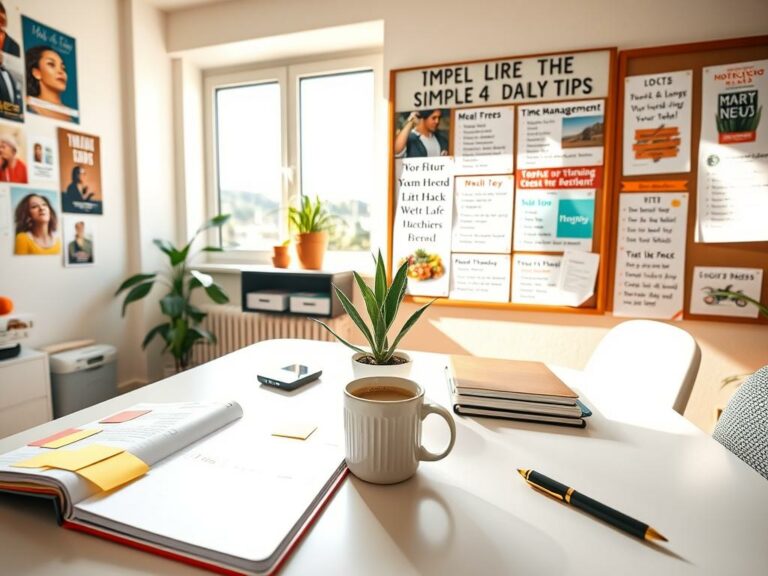

Did you know the average person spends about 55 minutes daily searching for lost items? That’s nearly a week each year! This shows how chaotic many lives can be. Everyday organization tips can help you find that lost time and cut down on frustration.
Simple changes can make a big difference. You can turn your chaotic schedule into a smooth one. Even the busiest people can find calm by organizing their daily tasks.
This guide will help you deal with the challenges of modern life easily. By using these everyday organization tips, you can boost your productivity and live a more balanced life.
Understanding the Importance of Organization
Organization is key in our daily lives. It turns chaos into clarity, helping us focus on what’s important. By using good organizational systems, we can see big improvements in many areas of life.
Boosting Productivity
Being organized boosts your productivity. Knowing where things are saves time and energy. Here are some tips:
- Set clear goals for each day.
- Prioritize tasks based on importance.
- Use tools like planners or apps to keep track of your progress.
Reducing Stress
A clean environment lowers stress. Clutter increases cortisol, the stress hormone. Keeping your space tidy helps you:
- Feel more in control of your surroundings.
- Minimize distractions.
- Improve your mental clarity.
Creating a Better Work-Life Balance
Good organization balances work and personal life. With the right methods, you can:
- Set boundaries for work hours.
- Make time for family and hobbies.
- Ensure you have downtime to recharge.
In summary, understanding organization’s value improves productivity, reduces stress, and balances work and life. Start using these strategies today for a more organized life.
Decluttering Your Space
Decluttering your space is key to a peaceful environment. It helps you focus on what’s important. Use good decluttering strategies to keep your home enhancing your life. Begin by figuring out what you really need in your space.
Assessing What You Really Need
Take time to check your belongings. Ask yourself these questions:
- Do I use this item regularly?
- Does it bring me joy?
- Is it worth the space it occupies?
These questions help you know what to keep and what to let go of. Try the “one-in, one-out” rule. This means for every new item, you must get rid of one.
Tips for Letting Go of Items
It’s hard to let go of items. Here are some tips for a clutter-free life:
- Start small. Focus on one area at a time.
- Set a timer for 15 minutes. Work quickly to decide what to keep.
- Donate or sell items that are in good condition.
- Throw away items that are broken or no longer useful.
Creating a Decluttering Schedule
Having a plan makes decluttering easier. Create a schedule that fits your life. Here’s a simple example:
| Day | Task |
|---|---|
| Monday | Declutter your closet |
| Wednesday | Clear out the kitchen drawers |
| Friday | Organize your living room |
By sticking to this schedule, you can make your space more organized over time.
Creating a Daily Routine
Creating a daily routine can change your life. It helps you manage your time better and boosts your productivity. By adopting daily organizing habits, you set a clear path for your day. This leads to better focus and less stress. Here are some strategies to create a routine that works for you.
Establishing Morning Habits
Your morning sets the tone for the entire day. Incorporate these habits into your routine:
- Wake up at the same time each day.
- Engage in a short exercise session.
- Eat a healthy breakfast.
- Spend a few minutes planning your day.
Planning Your Day the Night Before
Take a few minutes each evening to prepare for the next day. This practice can enhance your time management techniques. Consider these steps:
- Review your tasks for the next day.
- Prioritize your to-do list.
- Set specific goals to achieve.
Leveraging Good Time Management
Using tools like the Eisenhower Matrix can help you categorize tasks by urgency and importance. This method improves focus and ensures that you meet your critical objectives. Incorporate these time management techniques into your routine:
- Identify tasks that are urgent and important.
- Delegate or eliminate non-essential tasks.
- Set specific time blocks for focused work.
By implementing these strategies, you can master your schedule and increase your overall daily capacity. Consistency is key to making these daily organizing habits a part of your life.
Using Technology for Organization
In today’s fast world, tech can change how you organize. Apps and tools can make your life easier. This section talks about the best apps for managing tasks, digital calendar tips, and reminders to help you stay on track.
Best Apps for Task Management
Task management apps keep you on top of your tasks. Here are some top picks:
- Todoist: Easy to use, lets you make tasks and set deadlines.
- Asana: Perfect for teams and tracking projects.
- Microsoft To Do: Works well with other Microsoft tools.
Digital Calendar Tips
Digital calendars make scheduling easier. Here are some tips:
- Sync your calendar on all devices for easy access.
- Use colors to mark different types of events.
- Set up recurring events for regular tasks.
Setting Reminders and Alerts
Reminders help you not miss important tasks. Here’s how to use them well:
- Use your app’s reminder feature for deadlines.
- Set alerts for meetings to prepare in advance.
- Try voice assistants for reminders without touching your phone.
By using these tools daily, you can clear your mind and stay organized. Let technology be your helper, making it easier to manage your time and tasks.
Organizing Your Workspace
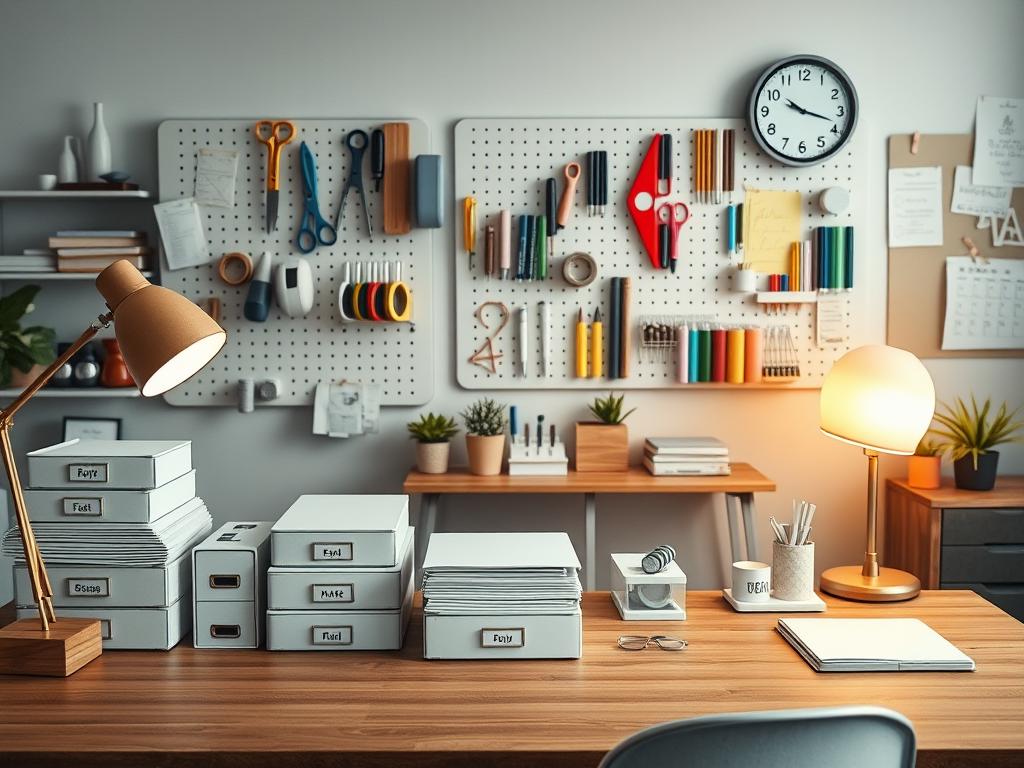
Your workspace is key to staying productive and focused. With smart home organization hacks, you can make a space that boosts your work. A tidy home office cuts down on distractions and improves your work quality. Here are some tips to set up a workspace that works for you.
Tips for a Functional Home Office
- Choose a dedicated space for your office.
- Invest in quality furniture that suits your needs.
- Utilize vertical storage solutions to save space.
- Incorporate personal touches to make it inviting.
Keeping Your Desk Tidy
Having a clean desk is vital for clear thinking. Here are some clutter-free living tips to keep your workspace organized:
- Clear your desk at the end of each day.
- Limit the number of items on your desk to essentials.
- Use trays or organizers for papers and supplies.
- Regularly review and discard unnecessary items.
Importance of Ergonomic Setup
An ergonomic setup prevents strain and boosts comfort during long work hours. Follow these guidelines:
- Adjust your chair height so your feet rest flat on the floor.
- Position your monitor at eye level to reduce neck strain.
- Use a keyboard and mouse that promote a natural wrist position.
- Take regular breaks to stretch and move around.
Simplifying Grocery Shopping
Grocery shopping can take up more time than it should. Simple organizing solutions can make it quick. Planning meals ahead saves money and reduces waste. Here are some ways to make grocery shopping easier.
Meal Planning Made Easy
Start by planning your meals for the week. This helps you make a focused grocery list, cutting down on impulse buys. Here are some tips:
- Choose recipes that use similar ingredients.
- Incorporate leftovers into your meal plan.
- Check your pantry for items you already have.
Keeping a Running Grocery List
Keep a grocery list that you update all week. This way, you won’t forget important items. Try these methods:
- Use a notes app on your phone for easy access.
- Keep a physical list on your fridge.
- Organize the list by store layout to save time.
Using Online Shopping Services
Online grocery shopping can save you hours each week. Many services offer delivery or pickup. Benefits include:
- Shopping from home at your convenience.
- Easy price comparisons and access to deals.
- Reduced impulse purchases.
Streamlining Household Chores
Keeping a home clean can feel overwhelming. Adding daily organizing habits to your routine can make chores easier. By making a weekly cleaning schedule, you can share tasks with your family. This way, everyone helps out and no one feels overwhelmed.
Creating a Weekly Cleaning Schedule
Begin by making a weekly cleaning schedule. Give each day a specific task to avoid last-minute rushes. Here’s how to do it:
- List all cleaning tasks needed for your home.
- Divide tasks into daily or weekly segments.
- Assign tasks to family members based on their availability.
Assigning Tasks to Family Members
Getting everyone involved promotes teamwork. Assigning tasks is straightforward:
- Rotate chores weekly to keep things fair.
- Match tasks to individual strengths, like vacuuming or dishwashing.
- Set clear expectations for each person’s responsibilities.
Using Checklists for Efficiency
Checklists can be a big help in keeping track of chores. They keep you organized and make sure nothing is missed. Here are some tips:
- Create a checklist for daily and weekly tasks.
- Mark off completed tasks to visualize progress.
- Use checklists to maintain efficient daily routines.
Organizing Personal Documents
Managing personal documents can feel overwhelming. Setting up good organizational systems can help. You can pick between digital and paper storage, each with its own perks. Knowing these options can simplify your life.
Digital vs. Paper Storage Solutions
Digital storage has many benefits:
- Access documents from anywhere with an internet connection.
- Secure sensitive information with encrypted cloud backups.
- Reduce physical clutter in your home.
Paper storage is good for those who like physical copies:
- Easy to access without technology.
- Less reliance on electronic devices.
- Can be more tangible for important documents.
Best Practices for Document Management
To manage your documents well, follow these tips:
- Regularly review and update your files.
- Use labels and categories for easy identification.
- Establish a backup system for important documents.
Creating a Home Filing System
A well-organized home filing system saves time and stress. Here’s how to set one up:
- Designate a specific area for filing.
- Use folders for different categories like taxes, medical records, and warranties.
- Keep a checklist to track what documents you have and where they are stored.
Clothing Organization Hacks
Your closet should make you feel good, not overwhelm you. With the right home organization hacks, you can turn it into a space that makes mornings easier. Smart decluttering strategies help you focus on your favorite clothes. Let’s look at some easy ways to organize your clothes.
Seasonal Closet Swaps
Switching your wardrobe with the seasons can really help. Here’s how to do it:
- Sort through your clothes at the start of each season.
- Store off-season items in bins or vacuum-sealed bags.
- Keep only current season clothes accessible.
Utilizing Storage Solutions
Smart storage can make your closet bigger. Here are some ideas:
- Use vertical hangers to save space.
- Implement drawer dividers for smaller items.
- Install shelves to store shoes and accessories.
Simplifying Your Wardrobe
A simpler wardrobe means quicker outfit choices. Here’s how to simplify:
- Adopt the capsule wardrobe concept—keep only what you love.
- Donate or recycle clothes you haven’t worn in a year.
- Choose versatile pieces that mix and match easily.
By using these clothing organization hacks, you can make getting dressed easier and more enjoyable. This way, you can start your day feeling clear and confident.
Mastering Email Management
Email overload can really slow you down. Learning to manage your email is key to staying focused in today’s digital world. By using the right strategies, you can clear your inbox and make communication easier.
Tips for Inbox Zero
Getting to Inbox Zero is a great goal. Here are some tips to help you get there:
- Check your email at set times, not all the time.
- Use the two-minute rule: reply to emails that take less than two minutes right away.
- Archive or delete emails that don’t need your action anymore.
Organizing Emails into Folders
Organizing your emails into folders makes them easy to find. This saves you time when you need to look up something important. Here are some folder ideas:
- Work emails
- Personal messages
- Newsletters and subscriptions
Unsubscribing from Unwanted Newsletters
Less email means more time for you. Unsubscribing from unwanted newsletters can cut down your email clutter by half. Spend a few minutes each week to check your subscriptions and remove ones you don’t need.
Setting Realistic Goals for Organization
To get more organized, setting realistic goals is crucial. The SMART goal framework helps you set specific, measurable, achievable, relevant, and timely goals. This makes your organization tips practical and effective.
Breaking down big tasks into smaller steps is key. This way, you can fit them into your busy schedule. It’s a smart way to stay organized.
Keeping track of your progress is important to stay motivated. Use journals or apps to monitor your achievements. Regularly checking your progress helps you adjust your goals.
This method also helps with time management. It keeps you focused and productive. It’s a great way to stay on track.
Don’t forget to celebrate your small wins. Celebrating your achievements, no matter how small, keeps you motivated. These moments of joy help you keep going towards a more organized life.