
Did you know the average American loses about 6 weeks yearly to small troubles? This shows how smart tips can save us a lot of time.
This guide has easy and practical life hacks you can start using now. You’ll learn tricks to save time, reduce stress, and get organized.
We have 12 sections with quick tips for your mornings, work-from-home setup, kitchen, cleaning routines, grocery shopping, health, finances, and ways to unwind. Each offers straightforward steps so you can try new solutions weekly.
Consider bookmarking this page and trying a few hacks at a time. Then, share the ones that helped you on social media or in the comments. This way, others can try them too.
Streamline Your Morning Routine
Make your mornings easier by setting up simple systems. These reduce decision fatigue and clear your mind. Try productivity tricks and daily tips for a smoother start. By using smart hacks, you cut down on time spent on daily tasks. You’ll save hours over the course of a week.
Group similar tasks together to smooth out your morning. Prepare your outfits for the whole week ahead. Place them on hangers marked for each day. At night, lay out your keys and bag. Set your coffee maker to start automatically. That way, your coffee is ready when you are.
Wait to use your phone until after your morning routine. Use Do Not Disturb or Focus mode to block distractions. The two-minute rule is key: if something takes less than two minutes, do it right away. It’s a great way to save time every day.
Tips for Faster Mornings
Create a quick morning plan. Start with water, add in stretching for three minutes, and review your main goals for five minutes. Spend two minutes on quick cleaning. This routine gets your day going well.
Make getting ready easier with timers and organized bins. Low-cost tools like these help you form good habits. They make it easier to stick to your productivity tricks.
Organizing Your Breakfast
Have quick breakfasts ready: like overnight oats, yogurt parfaits, and smoothie ingredients frozen in bags. Also, try making egg muffins ahead of time. Use containers or mason jars for easy storage.
Set up a breakfast area with all you need: oats, nut butter, fruit, and protein. This visible spot encourages quick, healthy choices. Such hacks reduce morning stress.
Preparing the Night Before
Take ten minutes each night to pick out clothes, pack lunch, and get breakfast ready. Also, pack your bag and set reminders for important tasks. Use tools like Google Calendar or Todoist for this.
Doing things the night before helps you sleep better and worry less in the morning. These strategies ensure smooth, focused starts to your days.
Organize Your Work from Home Setup
Creating a neat workspace helps you do better work each day. Use simple organization methods to cut down on distractions. This keeps what you need close by. Even small changes can make your days go smoother and boost your productivity.
Begin with a simple plan focusing on daily habits and some key tools. Choose a couple of productivity techniques to try out for a week. By adding small hacks to your day, you can find out what works best for you and your space.
Declutter Your Workspace
Too much clutter can distract you. A tidier desk reduces stress and saves time looking for things. Commit to cleaning your desk for 15 minutes every day to avoid clutter.
Organize wires with cable clips and Velcro ties from Velcro Brand or BlueLounge. Use organizers from IKEA or Muji for small items. Aim for a clean desk with just the essentials: a monitor, keyboard, mouse, and a notepad.
Try the KonMari method on your office supplies. Keep things you really need. Get rid of or give away things you don’t use. With fewer items, you have less clutter and cleaning is easier.
Essential Tools for Productivity
Quality tech makes work faster. Consider an external keyboard like the Logitech MX Keys and an ergonomic mouse like the Logitech MX Master. Adding an extra monitor can also help. These tools improve your posture and lessen tiredness.
Find apps that fit your work style. Trello or Asana for managing tasks, and Slack for communication. RescueTime shows how you spend your time. Use Focus@Will or a noise app for deep focus.
Try the Pomodoro Technique with a Forest app timer or just a kitchen timer to keep going. Master shortcuts for your main software to save time on common tasks. These methods help you focus better during work.
Enhance your workspace with accessories like a monitor stand for better posture. Get a desk lamp from BenQ to protect your eyes. Having a small plant improves mood and air. Designate different zones at your workstation for work and breaks.
Incorporate quick hacks such as preset document templates, bookmark folders for easy access, and labeled folders for ongoing projects. These little changes can significantly increase your productivity with minimal extra effort.
Quick Kitchen Hacks for Everyday Cooking
Use quick kitchen hacks to make cooking easier. They reduce preparation time, create a clean kitchen, and save money. Try organizing your kitchen and using hacks to make meals peaceful.
Easy Meal Prep Tips
Cooking in batches will save time. Prepare a lot of chicken, tofu, rice, or quinoa at once. Then separate them into containers for easy lunches.
Prepare foods that fit many meals. Roast vegetables and boil eggs. These can be added to salads, bowls, or sandwiches.
Have a cooking plan: Sunday for cooking, mid-week for topping up, labeling freezer bags with dates. Use appliances like Instant Pots and sheet pans to make cooking simpler. And always keep your knives sharp for quick chopping.
Efficient Dishwashing Techniques
When loading the dishwasher, make sure bowls and cups face down. Sort utensils by type to stop them from sticking together. Ensure dishes aren’t packed too tight so water can clean all of them.
Soak pans as soon as you’re done using them. Use strong soap and a system for washing and rinsing to save time.
Pick tools that you can use again. Things like cloth dish towels, silicone scrubbers, and quick-dry dish racks help you waste less and dry dishes faster.
Clever Storage Solutions
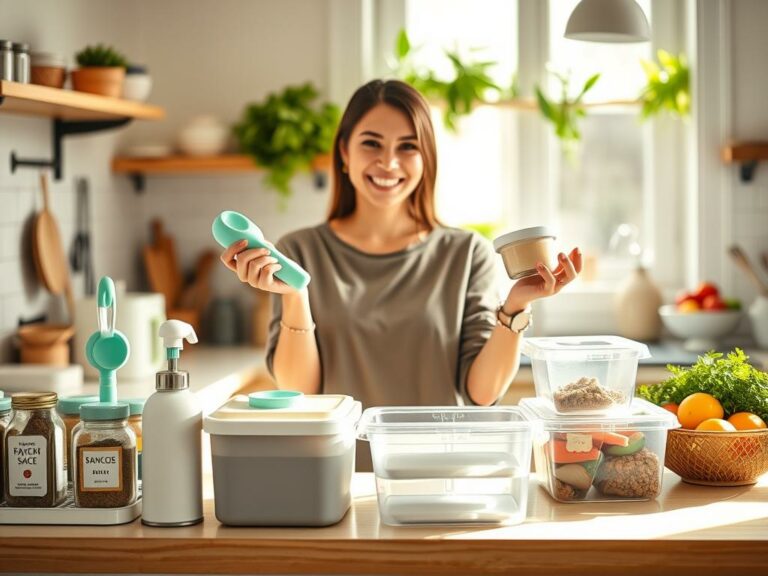
Use stackable containers and lazy Susans to save space in cabinets and fridges. Airtight containers keep food fresh longer and reduce waste.
Mark jars with a label maker or tape to find things quickly. Organizing your pantry helps you avoid buying things you don’t need and saves time on meal prep.
Store food in silicone trays or vacuum-sealed bags to keep it from getting freezer burn and to thaw it faster. These tips will keep your food ready to use and lessen stress.
Smart Grocery Shopping Ideas
Smart grocery shopping makes this weekly task quick and budget-friendly. Start by planning and making a clear list. This avoids unnecessary buys and reduces wasted food.
Meal plans are key for a good list. Apps like AnyList or OurGroceries let you share your list with family. Check your pantry to avoid buying what you already have.
List your items by the store’s layout or by category. It saves time and prevents backtracking. For often-needed items, try Amazon Subscribe & Save or Thrive Market subscriptions.
How to Make a Shopping List
Create your list based on your meal plan. Include how much you need and your favorite brands. Group items by aisle to shop efficiently.
Shop when the store is less busy to save time. Use reusable bags to make checkout quicker and help the environment. For even more convenience, use services like Walmart Grocery or Instacart.
Saving Money with Discounts
Become a member of store programs like Kroger Plus or Safeway Club. Use apps like RetailMeNot and Honey to find digital coupons.
Shop during sales and use cashback apps like Ibotta or Rakuten. Buying in bulk at Costco or Sam’s Club can also save money. Always compare prices to ensure savings.
Use more than one coupon if possible and buy seasonal produce. These tips, along with making a shopping list, help you shop smart and save money.
Keep a master list of items you always need. Use meal planning, subscriptions, and pick-up services to shop quicker and without stress.
Time-Saving Cleaning Hacks
Small daily habits can really shorten your cleaning time. They also keep your home nice to live in. Use targeted routines and straightforward tools to make chores feel easy. These handy tips help you get rid of clutter, prevent messes, and reduce the time needed for big cleanings.
Speedy Ways to Tidy Up
Use a timer and clean different areas at a time. Spend 15 minutes each evening tidying up areas you use a lot. This removes clutter and small messes. Also, spend 5 minutes making your bed every morning to kickstart a tidy day.
Have a 30-minute cleaning session once a week for bigger tasks. Doing a little bit often means you won’t be overwhelmed. And it turns long cleaning days into short, easy tasks.
Put boxes in your closets to donate items easily. Stick to the “one in, one out” rule to avoid clutter. Clean bathroom surfaces right after showering to keep soap scum away. Also, always have a squeegee for cleaning glass doors.
Multipurpose Cleaning Products
Choose all-in-one cleaners to save time and space. Mrs. Meyer’s Multi-Surface Cleaner and Method All-Purpose Cleaner work on several types of surfaces. You can also clean most places with a mix of white vinegar and water. Just don’t use vinegar on natural stone.
Microfiber cloths pick up dust and dirt with no need for strong chemicals. Buy reusable mop pads and concentrated cleaners to waste less and shop less often.
Tools can make cleaning faster. For example, a robot vacuum like an iRobot Roomba keeps floors clean every day. A Dyson V-series cordless vacuum is great for quick cleanups. And steam cleaners can clean grout and upholstery without harsh chemicals.
- Use a timer for quick, focused cleaning sessions.
- Cleaning by zone helps you see your progress and stay motivated.
- Choosing reusable over disposable saves both time and money.
These cleaning tricks and shortcuts turn everyday chores into easy tasks. By following these simple daily tips, you’ll get back hours that used to get lost in cleaning.
Enhance Your Home Office Experience
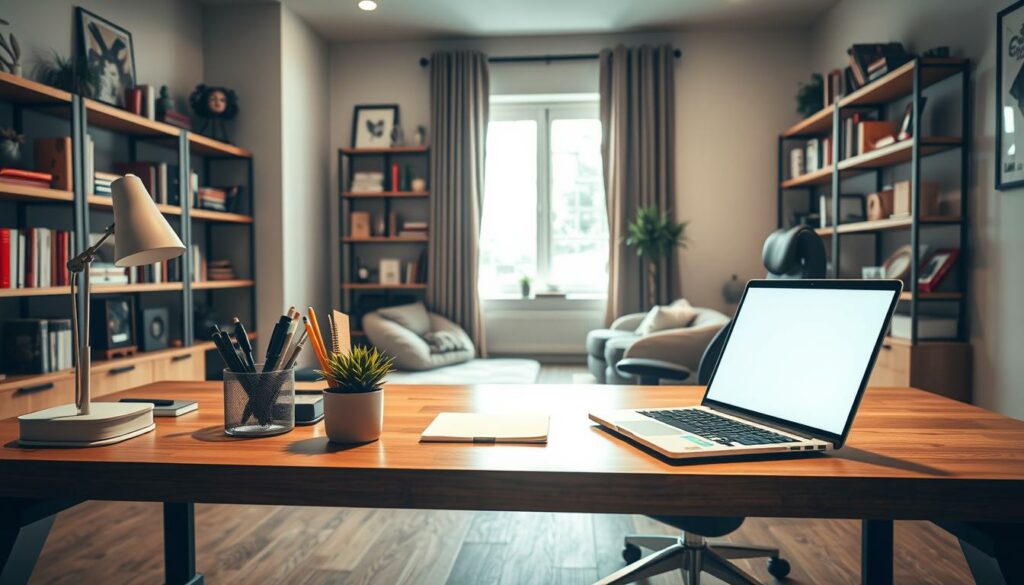
A comfortable and focused workspace makes a big difference. Use practical tips for a home office setup that minimizes strain and boosts your productivity. Even small changes can lead to big improvements in efficiency that you can use every day.
Ergonomic Setup Tips
Put your monitor at eye level to keep your neck straight. Keep your elbows near your body and bent at a right angle when typing. Your feet should be flat on the ground or on a footrest to maintain a good posture.
Choose chairs that support your back. Quality brands like Herman Miller and Steelcase offer comfort for hours. For those on a budget, Hbada and AmazonBasics are good choices. Adding a laptop stand and external devices helps prevent slouching.
Adjust your room lighting to ease eye strain. Remember to take breaks to check your posture every 30 to 45 minutes. Using a lumbar cushion supports your lower back’s natural curve, even without a new chair.
Ergonomic setup checklist:
- Monitor at eye level
- Elbows at 90 degrees
- Feet flat or on a footrest
- External keyboard and mouse
- Adjustable chair or lumbar support
- Proper task lighting
- Regular posture breaks
Tech Tools to Boost Efficiency
Noise-canceling headphones, like Sony WH-1000XM5, help you focus by blocking out distractions. A second monitor or an ultrawide display increases your screen space. Google Drive or Dropbox let you access and share files from anywhere.
Use Zapier or IFTTT to automate boring tasks. Organize your emails efficiently with Gmail’s filters and labels. Password managers like 1Password or LastPass speed up logins and enhance security.
Block out time for focused work. Use reminders from Google Assistant or Amazon Alexa to stay on schedule. These productivity hacks and gadgets make your work smoother and quicker.
| Area | Recommended Items | Benefit |
|---|---|---|
| Seating | Herman Miller, Steelcase, Hbada, AmazonBasics | Better posture, less back pain |
| Peripherals | External keyboard, mouse, laptop stand, footrest | Reduced neck and wrist strain |
| Displays | Dual monitors, ultrawide screens | Improved multitasking and clarity |
| Audio & Automation | Sony WH-1000XM5, Zapier, IFTTT | Fewer interruptions, automated workflows |
| Security & Storage | 1Password, LastPass, Google Drive, Dropbox | Faster access, safer credentials, synced files |
| Workflow | Calendar blocks, smart assistant reminders | Clear focus time, consistent routines |
Creative Ways to Save Space
Small rooms seem larger with smart organization and clever tricks. These tips make every inch matter, making your home tidy and functional. They combine vertical and hidden storage to reduce clutter and enhance routines.
Vertical storage takes items off floors and surfaces. Install shelves on walls and use floating ones for decor and storage. Pegboards, like IKEA SKÅDIS, are great for organizing many items neatly.
Tall bookcases adjust to changing needs. Modular units can be stacked for neat, flexible storage. Use hooks behind doors for extra hanging space.
Over-the-door organizers utilize spare surface areas. Clear, labeled bins help in quick item finding. Labeling maintains order and simplifies upkeep.
Hidden storage keeps clutter out of sight stylishly. Seek bed frames with drawers and multifunctional furniture. Drawers under beds greatly increase storage space.
In kitchens, magnetic strips organize knives. Use adhesive hooks for mugs under shelves. Recessed shelves in bathrooms save counter space. Creative DIY options can be hidden around the home.
Organization methods can slash searching times. Use shallow drawers for papers and dividers for kitchen tools. Neat storage helps the home look clean, easing stress on busy mornings.
These space-saving tips streamline your daily routine. By organizing effectively, you’ll spend less time searching and more on what’s important.
| Area | Recommended Solution | Why It Works |
|---|---|---|
| Bedroom | Bed frame with built-in drawers, under-bed storage | Uses wasted space under the bed for seasonal clothes and shoes |
| Living Room | Storage ottoman, floating shelves | Combines seating with hidden storage to reduce visible clutter |
| Kitchen | Magnetic knife strip, adhesive hooks under cabinets | Clears counter space and keeps frequently used items handy |
| Entryway | Storage bench, over-the-door organizer | Provides drop zone for shoes and mail while hiding items |
| Bathroom | Recessed shelving, wall-mounted medicine cabinet | Keeps toiletries off counters and makes cleaning easier |
Efficient Grocery Storage Techniques
Using simple tricks in the kitchen can help you waste less, save money, and simplify cooking. First, take a good look at your fridge, freezer, and pantry. This helps you know what you have and where it should go. Making a few wise changes can make your pantry neater and your food stay fresh longer.
Best Practices for Keeping Food Fresh
Store dairy and meats in the fridge’s coldest spot, not in the door. Treat herbs like flowers: cut the ends and put them in water with a bag over them. This keeps them fresh.
Keep fruits and veggies in separate drawers to control moisture and slow down ripening. Use airtight containers like OXO or Rubbermaid Brilliance, or a FoodSaver, to keep things fresh longer. The FIFO method ensures you use old items first. Adding produce savers and bins with humidity control helps food last longer and reduces waste.
Organizing Your Pantry
Organize your pantry by category: baking, snacks, cereals, cans. Keep things you use a lot where you can see them, and heavy stuff down low. Using clear containers with labels helps you find what you need quickly.
Using tiered shelves helps you see cans and spices easily. Keeping a list on your phone or a small board helps avoid buying things you already have. It also shows what’s running low.
Using Containers Effectively
Opt for clear, stackable, and BPA-free containers to see what’s inside easily and keep it safe. Choose the right size to minimize empty space inside. This setup saves space and keeps things organized.
Mark your containers with what’s inside and when you stored it. This makes choosing what to eat easier and ensures nothing gets wasted. Pick containers that are safe for the freezer and microwave for more flexibility.
| Area | Tip | Product Examples |
|---|---|---|
| Fridge | Store dairy and meat in the coldest shelf; use crisper drawers by humidity | OXO storage containers, FoodSaver vacuum sealer |
| Pantry | Group by category; eye-level for daily items; label clear containers | Rubbermaid Brilliance, tiered can organizers |
| Freezer | Use freezer-safe, stackable containers and vacuum-sealed bags | BPA-free freezer containers, heavy-duty vacuum bags |
| Herbs & Produce | Store herbs in water; use produce savers and humidity bins | Produce saver lids, adjustable crisper drawers |
| Workflow | Apply FIFO rotation and keep a short inventory list | Magnetic whiteboard, phone inventory apps |
Easy Ways to Stay Healthy
Small changes can really improve your health over time. Choose a few strategies that fit into your life easily. This way, you can create lasting habits without changing everything at once.
Quick Workout Ideas for Busy Days
Even short workouts can lift your spirits and give you more energy. Try brief HIIT workouts or do push-ups, squats, and planks for 10–20 minutes. These exercises are perfect for busy schedules and get your heart pumping quickly.
Apps like Nike Training Club, Fitbod, or the Peloton app offer short, guided workouts. Treat exercise like an important meeting and prepare your gear ahead of time. Also, consider walking more, using a standing desk, or stretching every hour to stay active.
Meal Swaps for Better Nutrition
Improving your eating habits can start with simple changes. Try swapping out sugary cereal for overnight oats, soda for flavored water, and white bread for whole grain. These are easy changes for better eating habits.
Eat protein-rich breakfasts like Greek yogurt or eggs and choose healthy snacks. Use smaller plates to help control portions. Add chia seeds, spinach to your smoothies, or canned salmon for an omega-3 boost. These tips can up your nutrient intake with minimal effort.
Mixing these workout tips with smart meal swaps can really boost your health. You’ll start feeling more energetic and think more clearly. Making these healthful strategies a part of your daily routine leads to real progress.
Simplifying Your Finances
Sorting out your finances doesn’t need to be tough. Put in place simple steps to declutter and focus on the big picture. Small efforts quickly become big changes when you view budgeting as a daily habit.
Budgeting Made Easy
Begin with easy-to-follow plans. The 50/30/20 rule works great: 50% for necessities, 30% for desires, 20% for savings. If you like firm limits, try using envelopes for budgeting. Or, go digital with virtual envelopes for less cash fuss.
Make saving and paying bills automatic to dodge late fees. Arrange for a part of your pay to go into savings automatically. Also, set aside a moment each month to check your budget, aiming for one goal at a time.
Reduce your bills by reviewing subscriptions and bargaining for lower costs on services like internet. Always compare new deals carefully. These quick tips can significantly lower your monthly spending.
Smart Apps for Managing Money
Pick apps that suit your financial aims. Mint offers wide-ranging tracking, while YNAB helps you allocate every dollar. Personal Capital is great for investment tracking. For passive saving, try Chime or Acorns, which save or invest your spare change.
Use credit card points wisely and monitor your credit score with Credit Karma. Enhance your account security with two-factor authentication and use a password manager like LastPass or 1Password for strong passwords.
Combining these clever apps and simple habits can seriously streamline your finances. They’re effective tools for reducing stress and freeing up your time.
Fun and Simple DIY Projects
Turn small moments into fun wins with easy, budget-friendly projects you can do in an afternoon. These ideas make updating your home simple and enjoyable. You’ll save money, add your own flair, and pick up handy skills for daily life.
Home Decor on a Budget
Start by finding treasures at Goodwill, Salvation Army, or Facebook Marketplace. Thrifted frames get a new look with spray paint and matte finishes. Use peel-and-stick wallpaper for a fresh accent wall without a big project.
Create a gallery wall with affordable prints from Etsy or local fairs. Mix and match frame sizes and paint them the same color for harmony. Make your own throw pillow covers with drop cloths or leftover fabric to update your couch.
Take on small weekend projects like a bright shelf or a macramé plant holder. You’ll need just a few tools: paints, a staple gun, hooks, sandpaper, and a hand saw for most projects.
Repurposing Everyday Items
Before buying anything new, see what you have at home. Use mason jars for storing food, planting herbs, or organizing the bathroom. Old crates can turn into unique shelves with some screws and a little sanding.
An old ladder can be a quirky towel rack. Use wine boxes for organizing beneath the sink. Binder clips can manage messy cables on your desk. These are smart ways to reuse what you have.
To finish, sand your projects and seal them for lasting use. With painter’s tape and a steady hand, paint edges neatly. Remember, safety is key: always wear gloves and a mask when working.
Each project here combines saving with creativity, making DIY a great way to cut costs and lessen waste. You’ll not only add unique touches to your home but also gain lasting, useful skills.
Stress-Relief Hacks for Daily Life
When days are full, simple tricks help a lot. Start with easy mindfulness practices you can do anywhere. Short, guided meditations on apps like Headspace or Calm, mindful walks, or quick gratitude journaling in the morning can make a difference.
Grounding methods quickly cut off stress spirals. The 5-4-3-2-1 exercise has you notice things around you. It helps you focus on what you see, touch, hear, smell, and taste. Short body scans or focused breathing during work act as productivity boosts and ease anxiety.
Knowing a few breathing techniques helps at different times. Box breathing helps focus before meetings. The 4-7-8 technique is good for sleep, and diaphragmatic breathing eases stress. Combine these with stretching or music to feel better.
Building a small daily habit of two to five minutes strengthens resilience. Use free tools like UCLA Mindful Awareness Research Center for ideas. Applying these tips daily boosts emotional health and productivity. These hacks fit any schedule, making life easier.